



After more than a decade away, Nintendo’s oddball life sim returns with Tomodachi Life: Living the Dream. We visit Thumbsticks Island to check in on its residents, spill the tea, and ask why everyone keeps demanding hats, snacks, and home makeovers.

New resident thinks he’s funny, neighbours remain unconvinced
Genuinely funny video games are rare. One person’s punchline is another person’s poison, and trying to reach consensus on what makes a game amusing is a fool’s errand.
I recently praised Pokémon Pokopia for its humour, which layered personality types onto the likes of Squirtle and Hoothoot with delightful results. Not everyone agreed because – shock – opinion differs. Tomodachi Life: Living the Dream takes a different approach. Its comedy is highly dependent on what the player brings to it. Sometimes the game sings of its own accord, but it mostly succeeds because it hands authorship to the player, making you a creative participant in the whimsy.
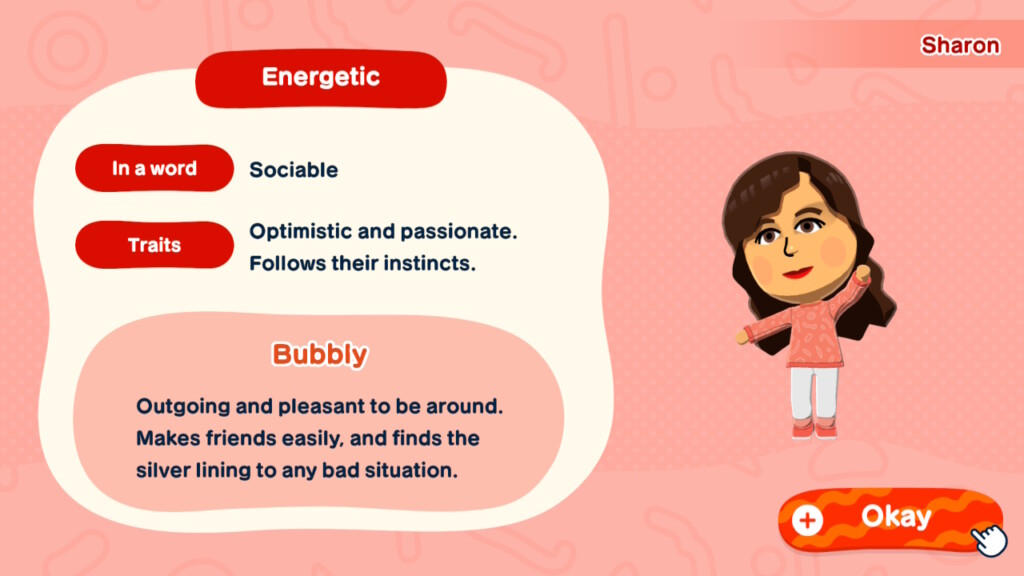
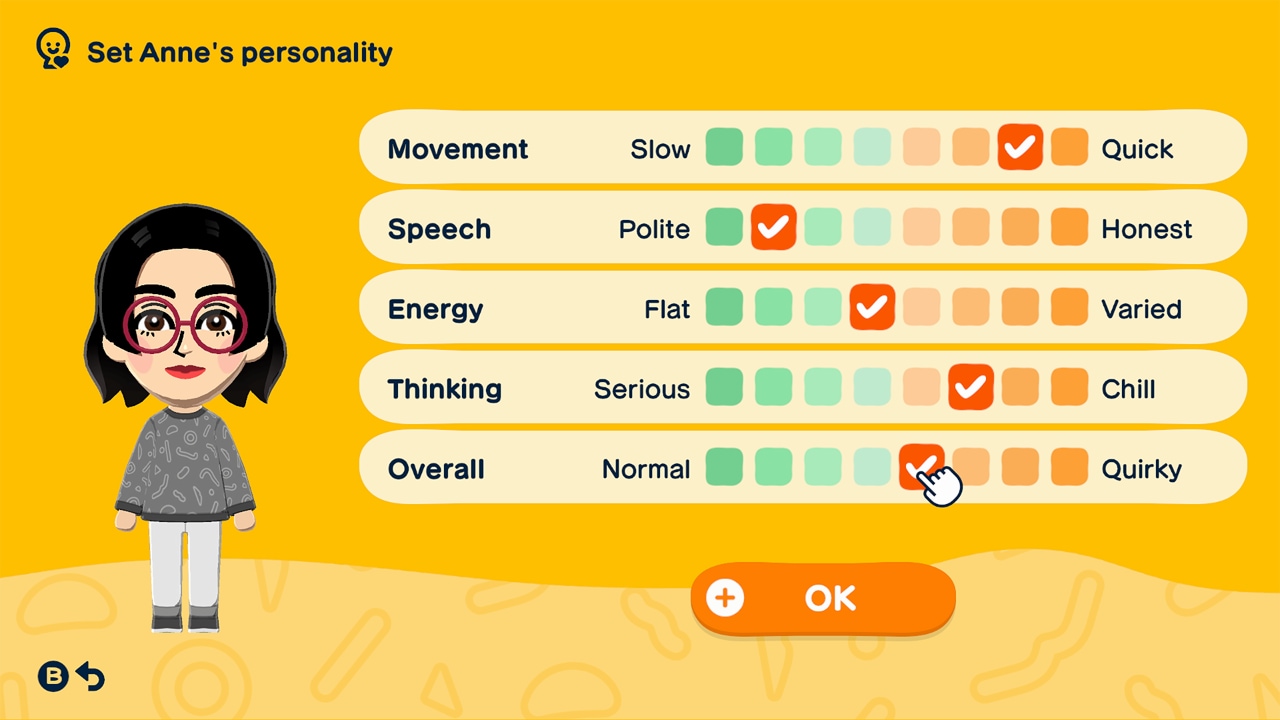
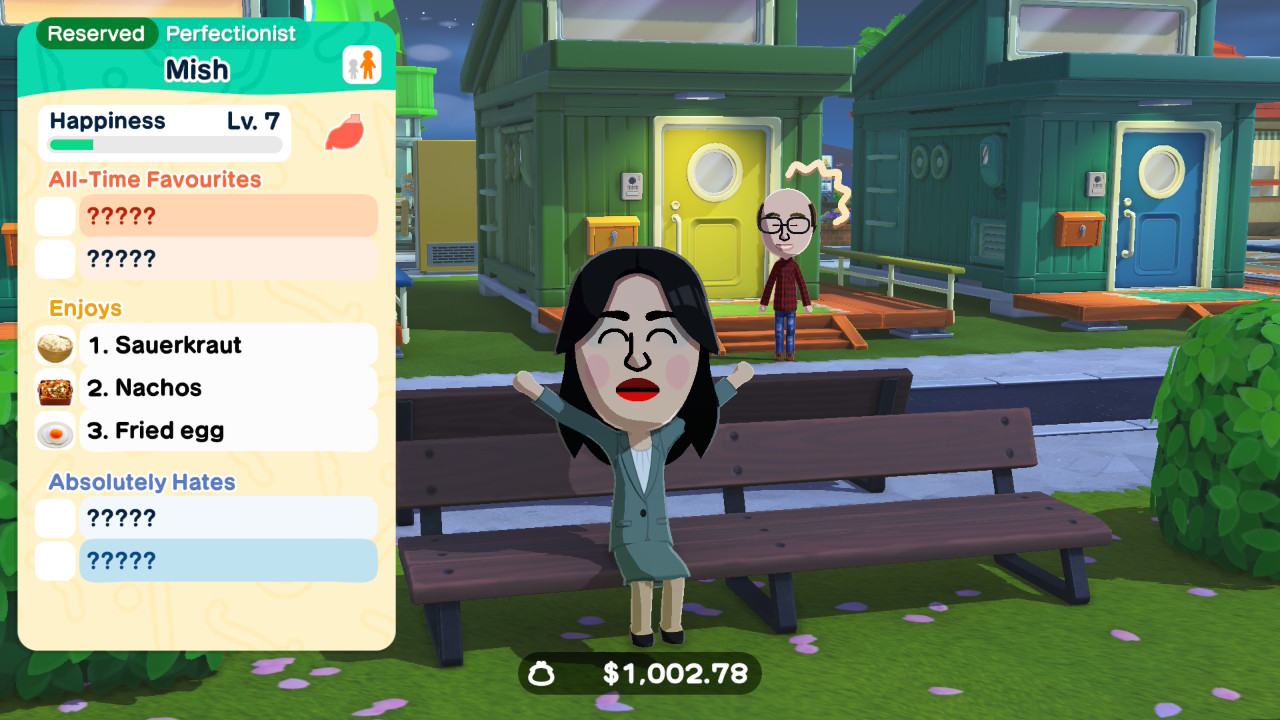
The secret to making the game work, for me, is to populate the island with people you actually know. Family members. Friends. Colleagues. A drip-fed range of customisation options lets you add phrases, quirks, and behavioural details that make each Mii feel like an affectionate caricature of their real-life counterpart. It’s much funnier to watch my dad have a baffling interaction with my wife over the merits of watching Doctor Who than it is to watch Tom Cruise bicker with, say, Homer Simpson. Seeing these customisations, phrases, and behaviours collide in bite-sized slice-of-life vignettes is the game’s secret sauce. And that is the moment the player flips from author to viewer.
Want better finances? Just wish it to happen, says town economist
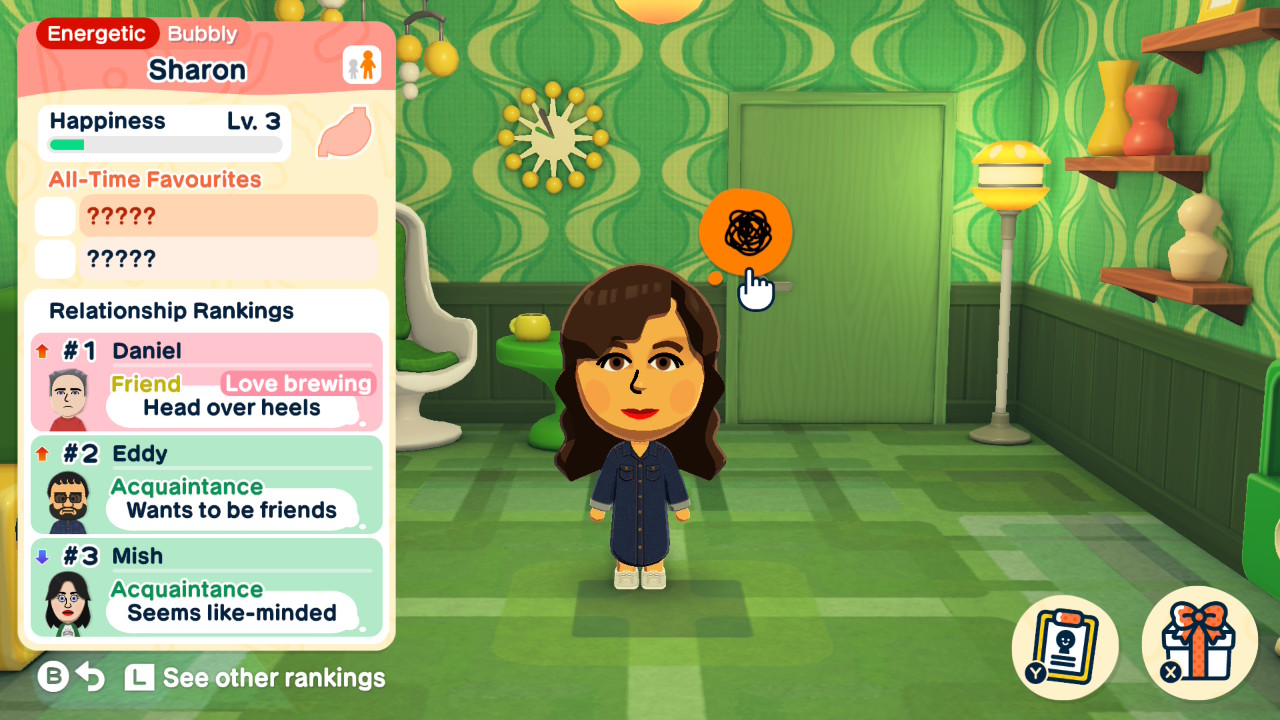
Underpinning Tomodachi Life: Living the Dream is a bizarre little economy in which good vibes become legal tender.
Keep your residents happy and they reward you with Warm Fuzzies and cash. The fuzzies can be donated to the island fountain, which grants wishes that can be exchanged for prezzies, little quirks, home renovation themes, and island furniture, and other goodies. Money, meanwhile, can be spent on gifts, food, clothing, home decor, and island decorations.
I’m not convinced “happiness equals money, which buys more happiness” is a lesson any of us should be taking into the real world, but as a game loop, it works and keeps things moving at a pleasing clip. There is always another resident to please, another small crisis to solve, and another opportunity to fill the coffers and unlock more ways to improve the island.
–
Don’t call it The Sims, says island spin doctor
Mechanically, Tomodachi Life: Living the Dream is about as welcoming an introduction to the life-sim genre as you could ask for. It is simple, tactile, and low-friction, with most of the pleasure coming from observation, gentle nudging, and the occasional act of social engineering.
But it is not The Sims. You are not managing bladder meters, building dream homes, or trapping anyone in a doorless room. The game is lighter, stranger, and more theatrical. You are playing shoot ’em ups inside someone’s brain, teaching a resident to walk like a robot, and making your best mate fall in love with your lonely uncle. It is a sitcom and a soap opera squeezed into a toy box and then topped with your imagination.
That format also helps the game cross the generational divide. Younger players can enjoy the general sense of silliness, while older players can appreciate the absurdity of seeing people they know reduced to their core foibles, demands, and desperate need for new clothes.
–
And don’t call it SimCity either, insists newly elected mayor
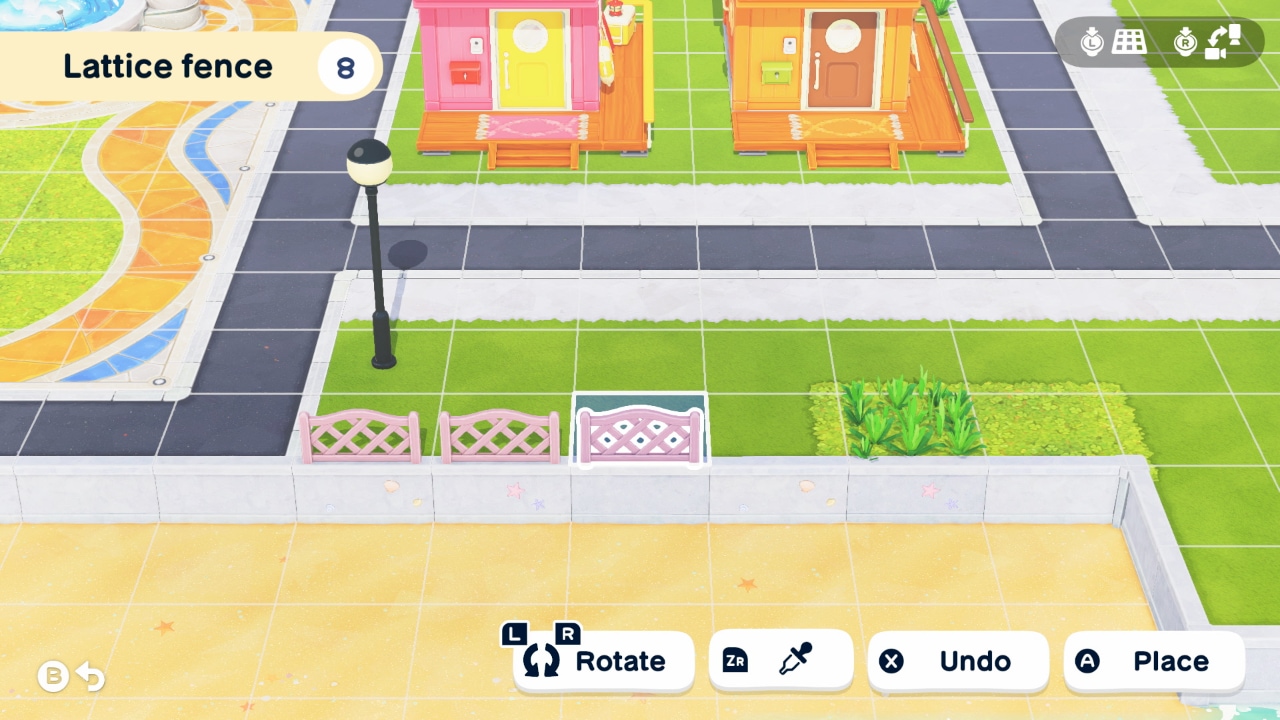
The residents are the main attraction, but Tomodachi Life: Living the Dream also gives you more control over the island than expected. Its structure echoes Animal Crossing in broad strokes, but the tools for reshaping Thumbsticks Island arrive early and have few restrictions.
Before long, you are tinkering with an intuitive grid-based system, nudging facilities into place, and indulging in a mild form of town planning that never threatens to become homework. It is not deep civic management, but it again provides a strong sense of authorship.
This is your little social experiment, and now you can decide where the shops go before your residents begin conducting their tiny dramas.
–
The outdated and unflattering date-night outfits that men love to wear
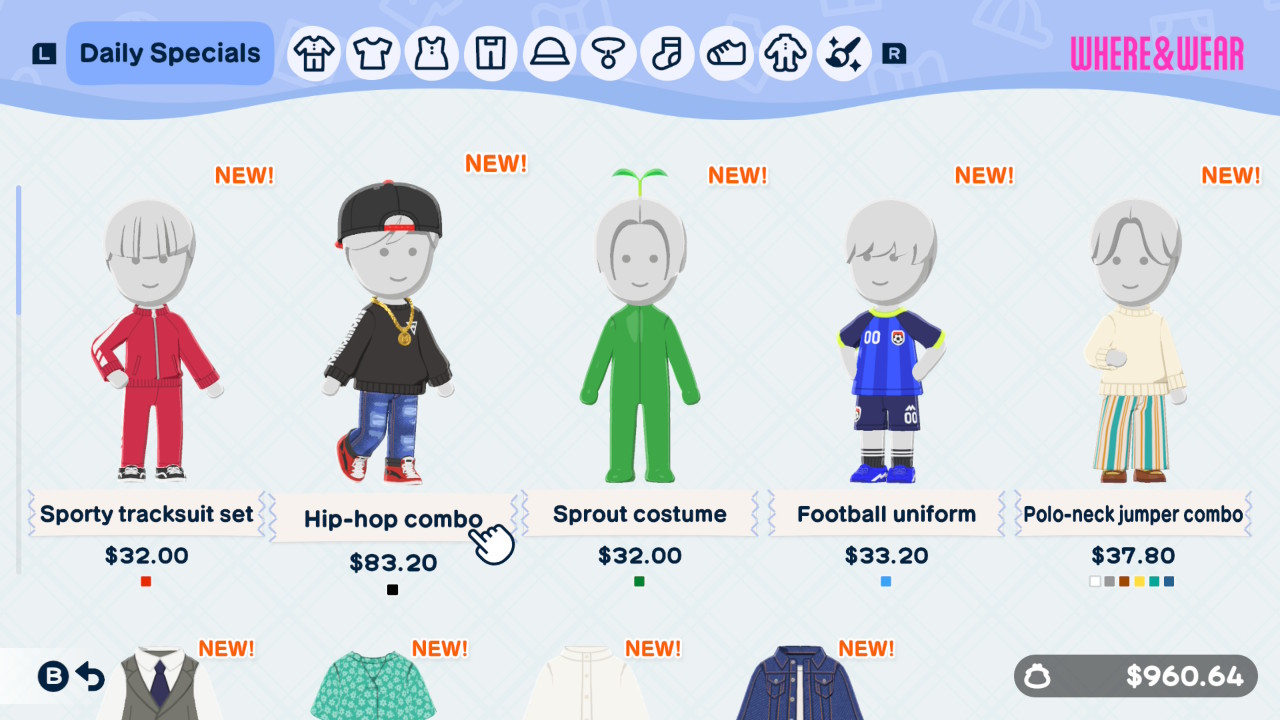
I have always wanted to wear a wrestling singlet, but in real life, I have wisely resisted the temptation. There are no such worries on Thumbsticks Island.
Clothing options, ranging from complete outfits to an extensive sale rack of individual items, allow you to dress each Mii to your heart’s content. The options are varied and, again, complement the other attributes that imbue each resident with personality. And that wrestling singlet I always wanted? It looks just fabulous.
Can you defy aging? Beloved Miis turn back the years
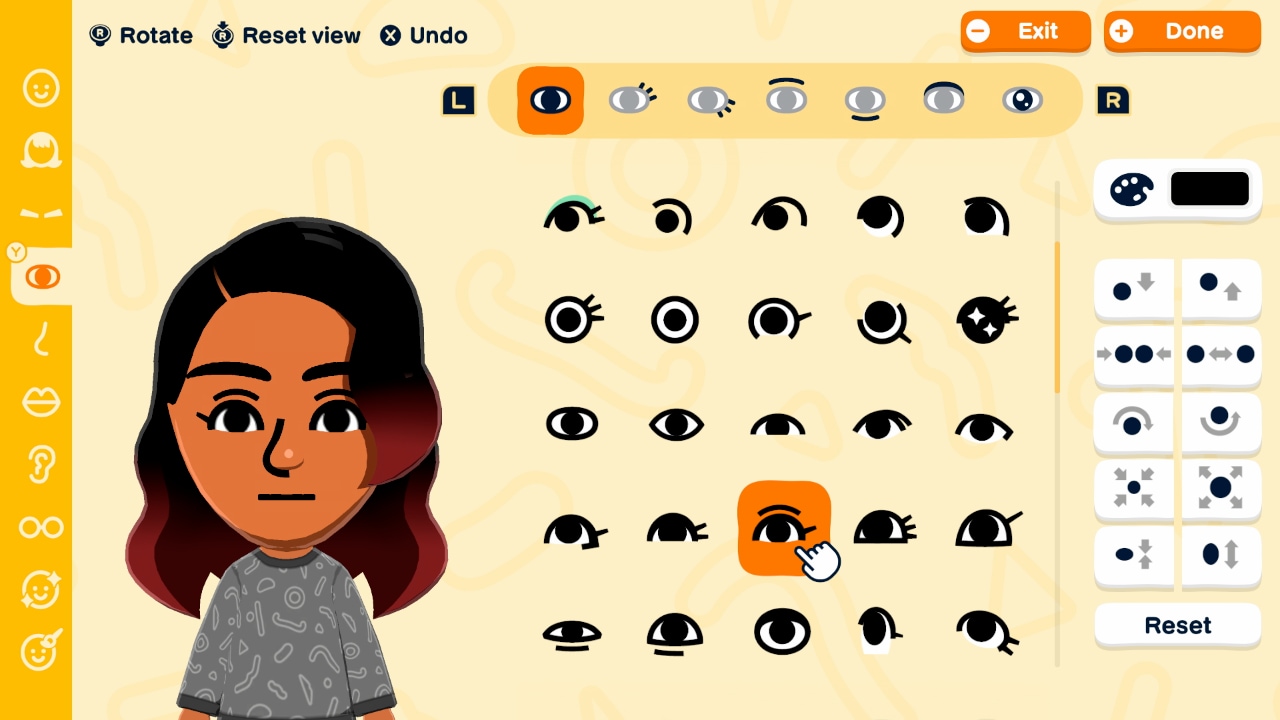
Nearly 20 years after their debut, it is still a lot of fun to play with Miis.
There have been a bajillion character creators across games, apps, and services since 2006, many of them more technically impressive and more flexible. And yet there is still something charming about the relative limitations of the Mii format.
There’s more scope to the toolset than there used to be, but it’s still focused, meaning the fun comes from suggestion rather than pure replication. You are not creating an exact facsimile but a spoof. A thumbnail sketch of your mother-in-law reduced to a tiny nose, a bouffant, and a well-placed mole.
The same is true of the voices. Advanced voice systems are commonplace, but the returning robotic Tomodachi delivery remains endearing precisely because it’s not slick. The off-kilter drone gives every confession, complaint, and musical performance just the right comedic lilt.
Those unlockable behavioural quirks help too. Being able to assign phrases, behavioural tics, and even silly details such as walk styles might sound minor, but it adds personality once the Miis take up residence and start moving through the world.
–
Residents demand answers as online restrictions continues
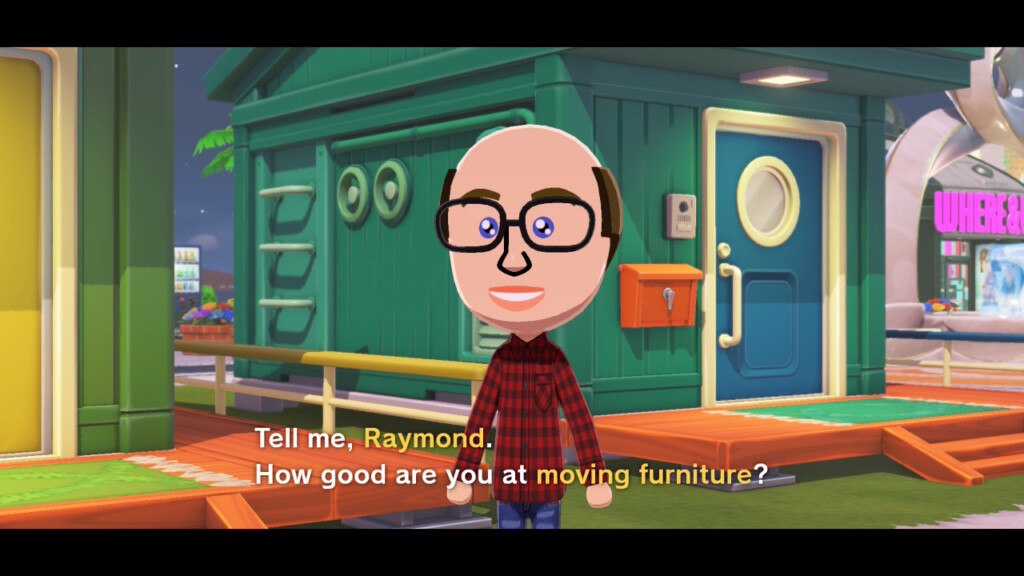
The big disappointment about life on Thumbsticks Island is the lack of online support. Unlike Animal Crossing: New Horizons or Pokémon Pokopia, there is no way to connect with friends and share the drama of Tomodachi Life: Living the Dream. Local play is supported, and the game seems designed with the living room in mind. It’s a quaint throwback to a simpler time, in a sense, something for the friends and family to share in the same space.
But Nintendo has gone further, also restricting the ability to share saved videos and images online. It is somewhat understandable, given the chaos that player-made Miis, phrases, and personalities could unleash if allowed to roam freely across the internet. Even so, it is a missed opportunity for a game so clearly built around meme-ready content.
The upside is that there are almost no restrictions on creative expression itself, whether written or visual. You can be as broad or as specific with your references as you like, and as highbrow or as crude as you dare.
–
His Majesty to set out plan to tackle island’s housing emergency
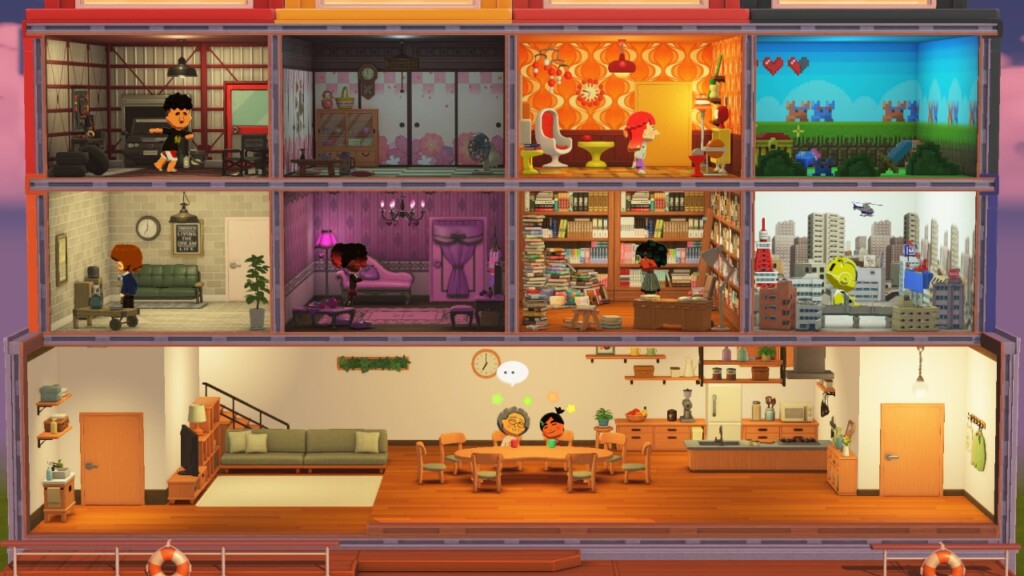
Each Mii starts with a simple home, but each resident’s living situation evolves over time, depending on whether they move in with someone, require a larger space, or you choose to undertake external renovations. The initial rigidity of each home falls away the further you progress, as new customisation options become available and the editing tools allow you to add real personality.
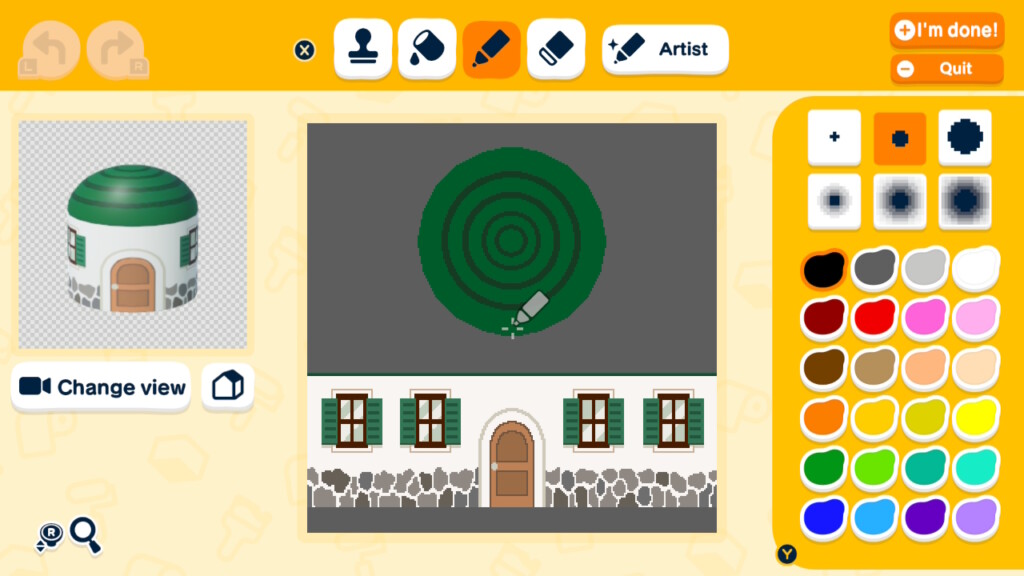
The same applies to interiors, with a huge number of décor options, each rich with detail, full of personality, and handsomely rendered.
–
These are the brain-boosting foods every resident should add to their diet

Somehow, my real-life aversion to celery holds no weight on Thumbsticks Island. My Mii doppelgänger likes the evil weed more than anything else on the menu, so the crunchy snack has become a staple of his diet, the key to his happiness, and a reliable source of Warm Fuzzies.
Life can be cruel, sometimes. But a visit to the island supermarket always serves up a daily selection of tasty treats, from churros and sauerkraut to waffles and ratatouille. I just hope that one day I find something to knock celery from its perch.
REVEALED: How to share images and video online
The game’s best moments would be even better if they could be shared, and given the way we play games in 2026, that restriction is one of its few sticking points. Thumbsticks Island may be a private community, but must every scandal be performed behind closed doors?
There is a workaround for saved captures: physically connect your Switch to a computer and use the “Copy to PC over USB” option in the “Data Management” menu. It is hardly seamless, but that’s how some of the images on this page were captured.
EXCLUSIVE: Island life is brilliant, if you just give it a chance, say newlyweds
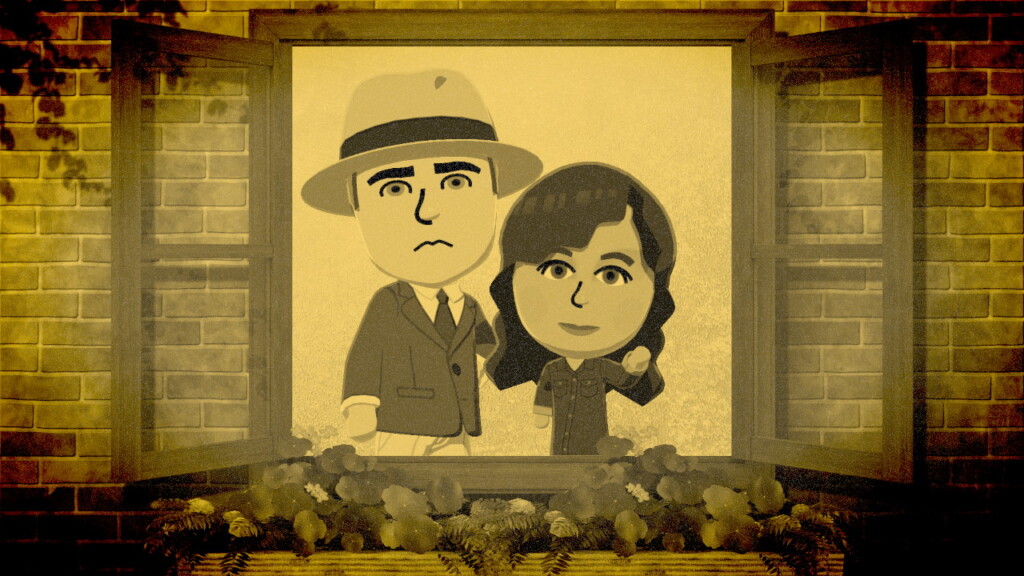
The amount of enjoyment you get from Tomodachi Life: Living the Dream is directly tied to how much of yourself you are willing to invest. Creating residents, shaping their quirks, generating Warm Fuzzies, unlocking new items, and reshaping your island all take patience and care, but that investment is rewarded with bursts of hilarity, charm, and tenderness.
This review did not need to meet a release date embargo, and I was pleased not to have one. Tomodachi Life: Living the Dream is a social comedy that needs room to breathe, and attempting to brute force its charms works against the experience.
Life here is not always easy, but, over time, dreams can come true in spectacularly silly fashion.
Game: Tomodachi Life: Living the Dream
Platform: Nintendo Switch (also compatible with Nintendo Switch 2)
Developer: Nintendo
Publisher: Nintendo
Release Date: April 16, 2026