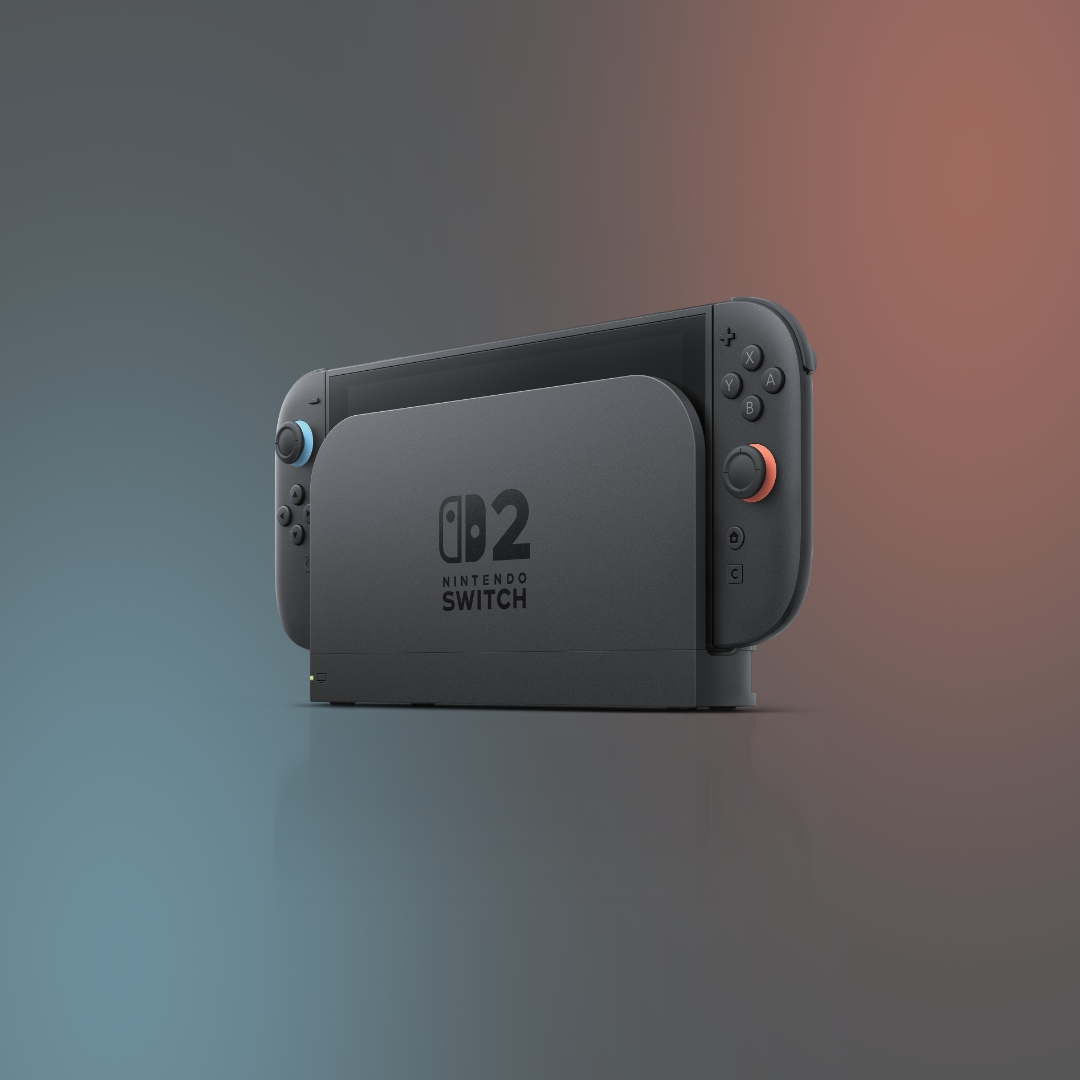




Now that we’ve had more time to get to know the Nintendo Switch 2, is the difficult second album everything we hoped it would be?
I’ve written at length about how much the original Nintendo Switch has meant to me. The system has been by my side through significant moments in my life, and I have poured countless hours into hundreds of games.
Complaints about the original Switch’s performance relative to other systems have been a conversation topic for some time now, but for me, it’s only in recent years that the system began to stagger and stumble in its efforts to remain performant. But the passing of time can’t be ignored forever, and it was clearly time for a new generation of hardware to take its place.
And so we have the Nintendo Switch 2, a system that aims to refine Nintendo’s vision and push the hybrid concept into a new era of performance and capability. For better or worse, it’s the most iterative system Nintendo has released in some time.

The Switch experience
The original Nintendo Switch was a success, in part, because its concept was so new, so clever, and so well executed. But can iteration, however impressive, replace the thrill found in the sparks of innovation?
You often read comments calling on Nintendo to innovate and be brave. “Where’s the Nintendo that takes big swings?” was a common response to the Switch 2’s unveiling. I appreciate that sentiment, but with only one device on the market, Nintendo can ill afford another Wii U.
So, ultimately, I’m thankful that features like digital library continuity have been prioritised, even if it comes at the cost of wild innovation with uncertain potential. And let’s be clear. Despite the overarching sense of familiarity, the Nintendo Switch 2 is an impressive piece of game technology.
The beauty of the Switch’s hybrid concept is that it can be many things to many people. I recall numerous hand-wringing podcast discussions in the early days of the system, agonising over whether you played in handheld or docked mode, or debating whether you’d ever actually host a rooftop party and detach the Joy-Cons to play Mario Kart 8: Deluxe in tabletop mode. There was so much brow-furrowing to arrive at the answer: “It depends.”
And that is the beauty of the Switch. There are advantages and disadvantages to all modes of play, but the flexibility to support them is key. I had my own distinct set of use cases for the original Switch, based on where I was living, travelling and so on. And the Switch’s flexibility was a huge part of how it fitted into my life. So, given the Switch 2’s similarities, it’s tempting to apply the same use-case criteria. But should we reset our expectations and start again?

First impressions
In April, I attended the Nintendo Switch 2 Experience, a hands-on event that offered an early look at the new console. It was part tech demo, part cult-like initiation ceremony, and I came away mostly impressed. But away from the bright lights of the venue and the brighter grins of the PR reps, the Nintendo Switch 2 makes a slightly more unassuming first impression.
It’s economically packaged, and a far cry from the “savour-the-moment” unboxing approaches deployed by Sony, Microsoft, and Valve. At first glance, the system, which looked so huge in the initial reveal, seems rather modest in size.
Once in hand, the improvements gradually come to the fore. The premium finish I noted previously is still lovely and the system simply feels better to hold. Given the increase in size, the weight is balanced well and, for me at least, it’s instantly more comfortable than similarly sized devices like the Steam Deck. Of course, everyone’s hands are different, but it feels like Nintendo has again managed to successfully balance form and function.
Once the screen lights up, the increased canvas becomes much more evident. If you’ve been using the original Switch or Switch Lite models, it’s a huge step up. If you’re an OLED owner, the difference is not quite as drastic, but it’s still noticeable. The pixel density of the Nintendo Switch 2’s 1080p resolution screen is the most tangible difference. The display is that little bit crisper, even if the colours and contrast don’t meet the high bar set by the original Switch’s OLED edition.
The physical improvements come into focus when returning to the older system. What once felt like the future suddenly feels a little lacklustre, and even more toy-like. Comparing the old and new side by side, there’s no denying that the Switch 2 is a premium proposition, which, given its price tag, is just as well.
Nintendo Switch 2 Welcome Tour
Although the overall design of the Nintendo Switch 2 might feel like a modest improvement at first, a few hours with the much-maligned Nintendo Switch 2 Welcome Tour demonstrate that almost every aspect of the system’s design has been considered, from the tiny gap at the top of the system that ensures Joy-Cons detach easily to the angle of the system’s speakers. If product design is of interest, the “game” is charming, informative and a delightful onboarding experience.

Joy-Con 2
The first time you magnetically attach the Joy-Con 2 to the Nintendo Switch 2, it feels magical. I don’t think I’ll ever tire of the clean snap as it locks into position. It’s a significant improvement on the older Switch’s rail system that is more secure and, so far, isn’t prone to any wiggling. And once they are are connected, the Switch 2 feels more like a single whole than its predecessor.
The Joy-Con 2’s larger size and finish improve the ergonomics, but for me, the real improvements are on the inside. HR Rumble 2 feels refined and it’s certainly much quieter, even in the most demanding games. In Donkey Kong Bananza, for example, it excels at underscoring and enhancing the on-screen action, accommodating everything from DK’s softest footsteps to the destruction of rocks and boulders simultaneously and with remarkable clarity.
Mouse mode, which allows each Joy-Con 2 to function like a traditional computer mouse, is another cool addition. I’ve tried it in a number of games – from Cyberpunk 2077 through to the recent release of the SNES classic Mario Paint – and it performs exactly how you’d hope. Now, will Mouse controls revolutionise console gaming? Of course not. But as another option, it’s welcome. And if you’re playing Civilization VII (particularly in tabletop mode), it really comes into its own as a text-book example of Nintendo using old technology to bring something additive to the experience.

The Dock
The Nintendo Switch 2’s dock is a little beefier this time around, but sturdier too. There are clear improvements, from the arrangement of the USB and Ethernet ports to its overall shape and solidity. The only real downside, to my mind, is that it doesn’t support the original Switch.
The dock’s real strength lies in its ability to provide the Switch 2 with more power and boost the display of supported software to 4K and 120fps on supported displays. I’m curious to see where the dividing line will fall in terms of software that supports these features over the course of the system’s life, but the most important thing I can say is that the docked image quality has exceeded my expectations. Whether it’s native or upscaled, it has been crisp, clear and consistently sharp. The only challenge has been configuring the system’s HDR settings, which are less than intuitive. Thankfully, the legendary Vincent Teoh over at HDTVTest has been doing the maker’s work to ensure HDR configuration on Switch 2 is as simple as possible.
The user experience
Refinement rather than reinvention is also the approach with the Switch 2’s UI makeover. The interface is slicker and more responsive, and the eShop performance is vastly improved, with pages loading quickly and downloads appearing to have a little more zip, which is useful given the larger file size of many Switch 2 titles. The increase in internal storage to 256GB is probably the bare minimum Nintendo could have provided, however, and I expect most users will want to expand it using an SD Express card over time.
The Pro Controller 2
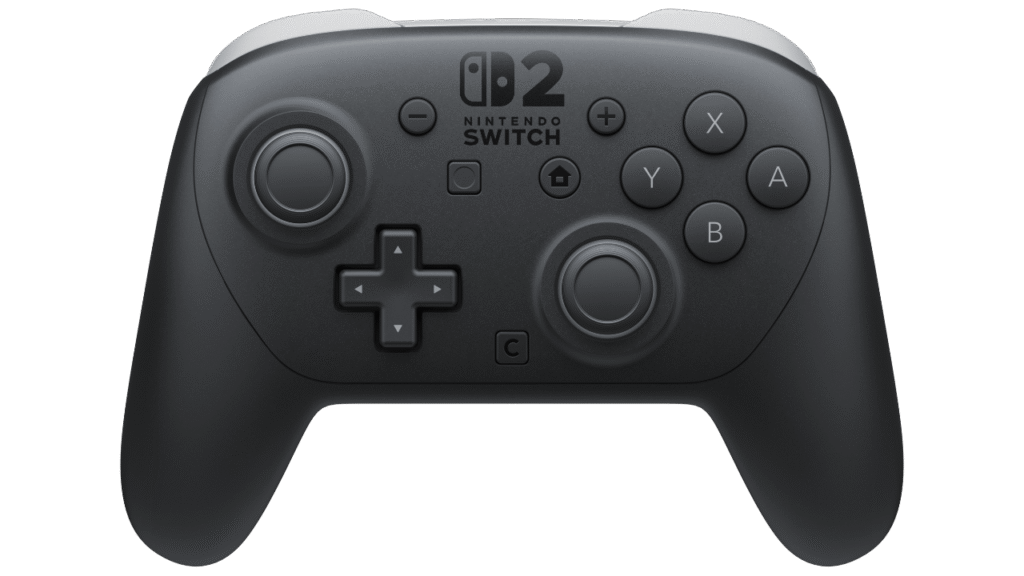
I’ll be blunt. I think the updated Pro Controller is arguably the best Nintendo has ever made. The new textured grips feel especially comfortable, as do the slightly adjusted triggers. The new GL and GR buttons, which sit flush with the underside of the hand grips, are an excellent addition and can be remapped on a game-by-game basis.
I’m most impressed by the thumbsticks, however. Movement feels genuinely smooth and responsive in a way I’ve never experienced on a controller before, with a subtle cushion as the stick hits the edge of its travel.
The addition of an audio jack is also long overdue, but no less welcome. I just hope the Pro Controller 2 – and the new Joy-Cons – will stand the test of time and avoid the technical issues that affected many users last generation. Finally, my wife would like to praise Nintendo’s designers for creating a game controller that is remarkably quiet to use. Compared to the previous Pro Controller – and especially the clackety-clack of the Xbox controller – the Pro Controller 2 is as noisy as a softly sleeping cat dreaming of mouse casserole.

Social features
One of the big new features Nintendo has added for this generation is GameChat. It’s baked into the Switch 2’s OS, allowing for cross-game chat as well as expanded features for specific titles. It’s a huge step up from Nintendo’s app-based chat solution, and if you add the Switch 2 camera accessory, it essentially works like Zoom. Even without the camera, GameChat performs well from an audio perspective, with consistent quality and impressive background noise cancellation.
There are various display options, including the ability to shrink your own gameplay screen and view the action on other players’ screens. The feed runs at a low frame rate, but it does the job well enough. In some games, such as Mario Kart World, your face is automatically cropped and inserted into the action. It’s a small thing – and arguably unnecessary – but undeniably neat.
If GameChat is an example of an obvious idea well executed, GameShare is a more surprising addition. Using technology pioneered by the Nintendo Wii U, the feature lets you share a game either locally or, in some cases, online with other Nintendo Switch or Switch 2 users.
The display feed on the receiving system is smaller than usual – presumably to reduce the load – but it’s surprisingly effective. In particular, it’s been a great way for me and my pals to play Split Fiction across two generations of Switch devices with minimal friction.
Backwards compatibility
With library continuity being a significant factor in accepting the Switch 2’s iterative nature, it’s pleasing to find that the process of bringing games over is relatively simple, even if there are no Pikmin to assist this time. Whether you choose to use the Switch 2’s System Transfer feature or handle things manually, it’s easy to download any title you already own. Playing original Switch games on the new system is a mix of pleasure and disappointment, however.
Many titles benefit from faster load times and steadier frame rates. In docked mode, this makes an appreciable difference to games that struggled, like Hyrule Warriors: Age of Calamity and Monster Hunter Stories 2. Although the resolution for most games hasn’t changed, the performance boost gives many titles a new lease of life.
However, when played in handheld mode, some games struggle with the upscale to a 1080p screen, resulting in noticeable blurriness. Hopefully, over time, many of these titles will receive patches to improve the experience and effectively give them another shot on the Nintendo Switch 2 eShop. Another helpful addition would be for Nintendo to offer the ability to launch games at their native handheld resolution, as it did with DS titles on the 3DS.
And, as always, personal experience and tolerance are probably the biggest factors here. If you’re happy with how a game looks and runs, that’s all that really matters. Overall, backwards compatibility is in promising shape, but there is room for improvement.

Retro capabilities
A prime example of that improvement can be found in the Nintendo GameCube Classics collection, which is exclusive to Switch 2 and available to Nintendo Switch Online members. At the time of writing, there are four titles available. And aside from a few emulation quirks, they look fantastic, with higher resolutions and smoother framerates. We might not be getting a reissue of The Legend of Zelda: The Wind Waker HD any time soon, but the version of the original game included here absolutely sparkles.
The classic GameCube controller has also returned in wireless form, although it’s only available exclusively to Switch Online subscribers. It’s the definition of a luxury purchase, but if you were a GameCube owner the first time around, this near-perfect recreation is a thing of beauty. It also functions as a standard controller for the Switch 2 across the vast majority of titles.
Nintendo Switch 2 – in summary
The story of any video game console can’t be told without its software. In this regard, I think Nintendo has made a strong start with the one-two punch of Mario Kart World and the sublime Donkey Kong Bananza. It’s a solid launch lineup for the new platform and one that also includes a host of updates to existing games, as well as Switch 2 editions of Metroid Prime 4 and Pokémon Legends: ZA to come. Third-party titles in the medium term are likely to be ports of PS4 and early PS5-era games, but that’s no bad thing. Seeing Cyberpunk 2077 run so well on a device of this size is genuinely impressive, and bodes well for the future.
It’s true that the shock of the new, the hook that defined the original Switch, isn’t quite as strong this time around, but it’s worth remembering that the system’s flexibility remains a major selling point. The fact that it comes packed with a dock and modular controllers means it still offers out-of-the-box versatility that other systems simply don’t. That flexibility may no longer be novel, but it’s still meaningful.
With the Switch 2, Nintendo has managed to thread the needle between innovation and familiarity, and the result is something quietly impressive with plenty of potential. Bring on the games.