



The final first-party game for Nintendo Switch proves that if you want to send a system off in style, rhythm is the answer.
There’s something poetic about the original Nintendo Switch spending its final months resurrecting the highlights of a console it helped to replace. For all the Switch’s brilliance and versatility, the tiny, offbeat games that thrived on the dual screens of the Nintendo 3DS were never a focus for a system built with bigger ambitions. WarioWare has clung on gamely. Picross still delivers occasionally. But the oddball games that once differentiated Nintendo’s handheld output have felt, whisper it, like an afterthought.
Enter two titles that feel like the Nintendo Switch clearing its throat before bowing out. Tomodachi Life: Living the Dream has been a certified smash and continues to provide tiny moments to treasure three months after release. And now we have Rhythm Heaven Groove, the latest in Nintendo’s occasional rhythm action series, and another reminder that there’s still room for experiences that are small, strange and stupid.
The series has a habit of appearing at interesting moments. It began life 20 years ago as Rhythm Tengoku, a Japan-only Game Boy Advance curiosity and, funnily enough, the final first-party Nintendo game released for the system. Conceived by producer and composer Tsunku, who grew frustrated with rhythm games that simply asked players to follow prompts instead of feeling the music, it has become one of Nintendo’s most loved cult series. After appearances on DS, Wii and 3DS, Rhythm Heaven Groove marks its first new entry in over a decade.
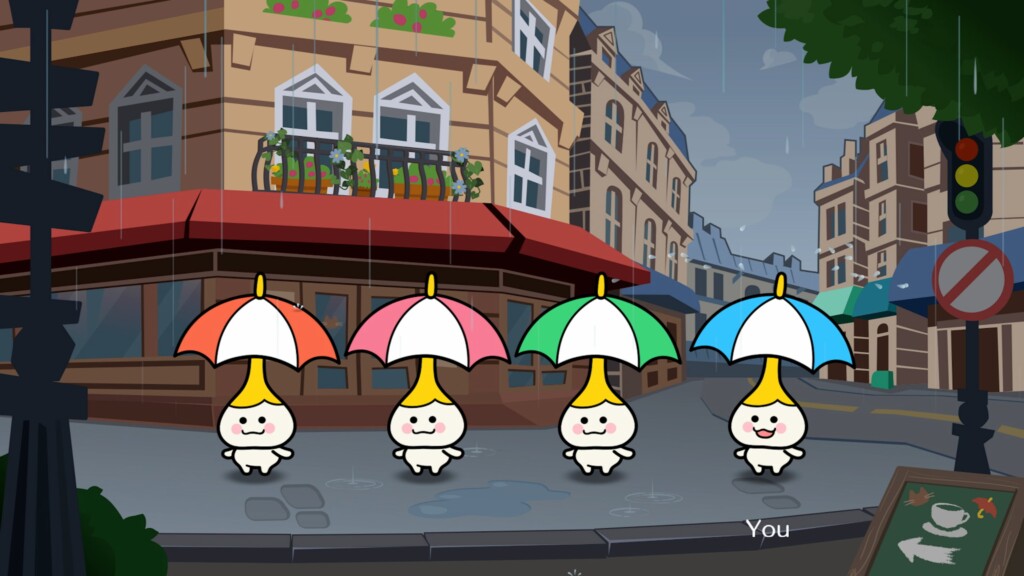
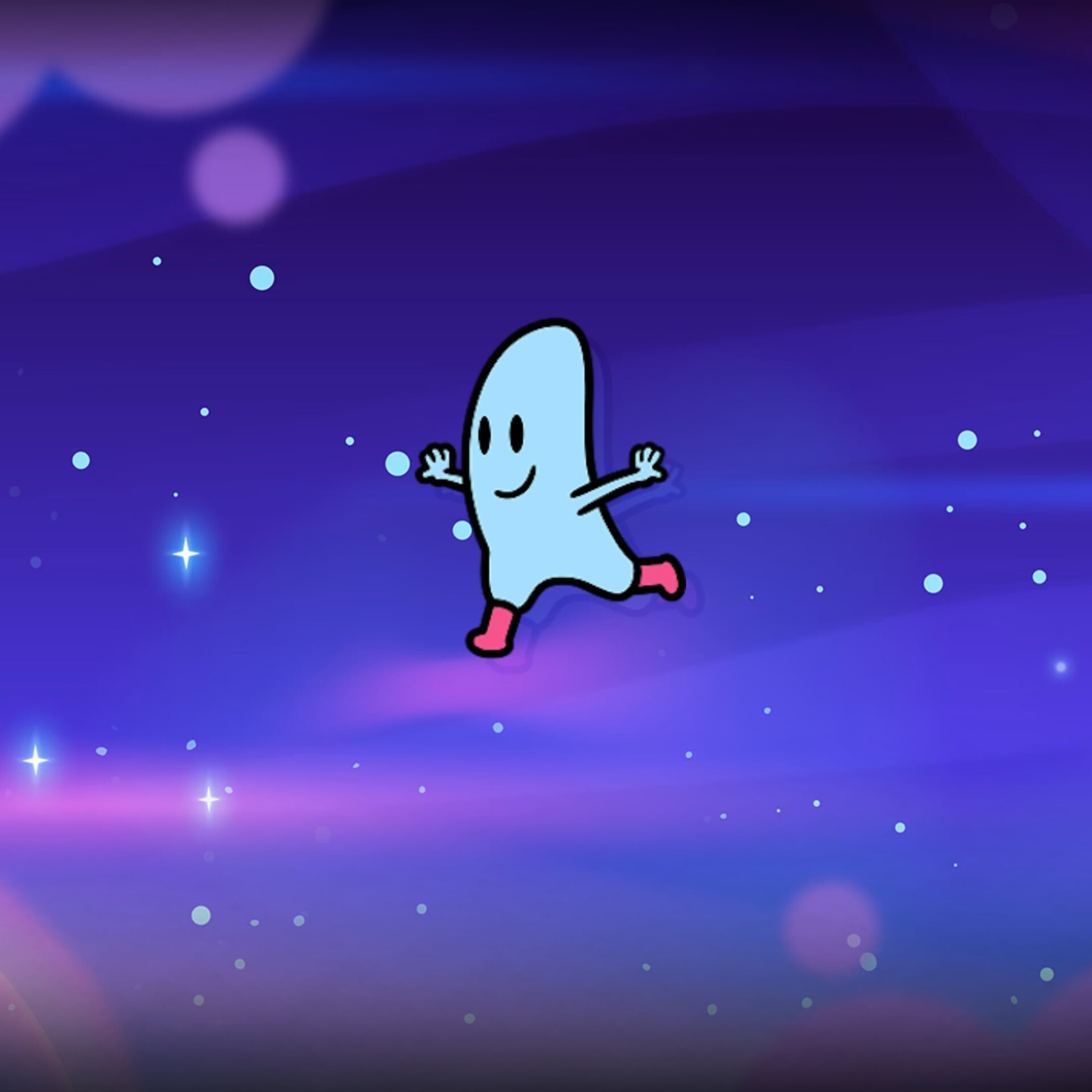
Reassuringly, not much has changed. At its core, Rhythm Heaven Groove is ‘just another’ collection of wonderfully absurd, handsomely and humorously crafted rhythm minigames. One moment you’re bouncing fruit across the flex of a muscle man. Minutes later you’re hushing ghosts past a sneezing moon. Then you’re helping a dog catch frisbees.
There are no coloured highways to follow or icons racing towards a target. Instead, timing is taught through animation, sound and instinct. Almost every minigame runs on just a handful of inputs, yet each somehow finds room for its own escalating jokes and rhythmic twists. And once you get into the groove, you can almost play it with your eyes closed, and that’s the point.
It’s a confident piece of design. Most minigames are built around a single premise and explored just long enough to avoid any sense of tedium. Failure never really feels frustrating because the game is adept at judging how long an idea can be sustained before moving on.
It’s supported by music which, inevitably, is magnificent. Tsunku has shaped the identity of the series from the beginning, and Rhythm Heaven Groove continues the tradition with another soundtrack that sounds disposable on first listen before earworming itself into your subconscious. The great trick of the series has always been to construct musical pop nursery rhymes that are simple, playful and endlessly memorable.

Visually, the game is equally distinctive and equally unfashionable. By modern standards, it’s an astonishingly scrappy collage of image cut-outs, illustrations, simplistic menus and gloriously terrible fonts. The presentation borders on amateurish, but like WarioWare’s, it’s an entirely deliberate aesthetic that works despite how slapdash and random it appears.
Like WarioWare, I’ve always thought Rhythm Heaven might find its next natural home on mobile, a platform tailor-made for this type of experience. Nintendo has resisted the temptation (although the recently released Pictonico! is cut from similar cloth), and being on a home console provides guardrails that keep the fun free from progression systems, currencies or daily challenges. Rhythm Heaven Groove simply trusts in the quality of its ideas, simple as they are. This is videogame design stripped to the essentials of timing, feedback, humour and flow.
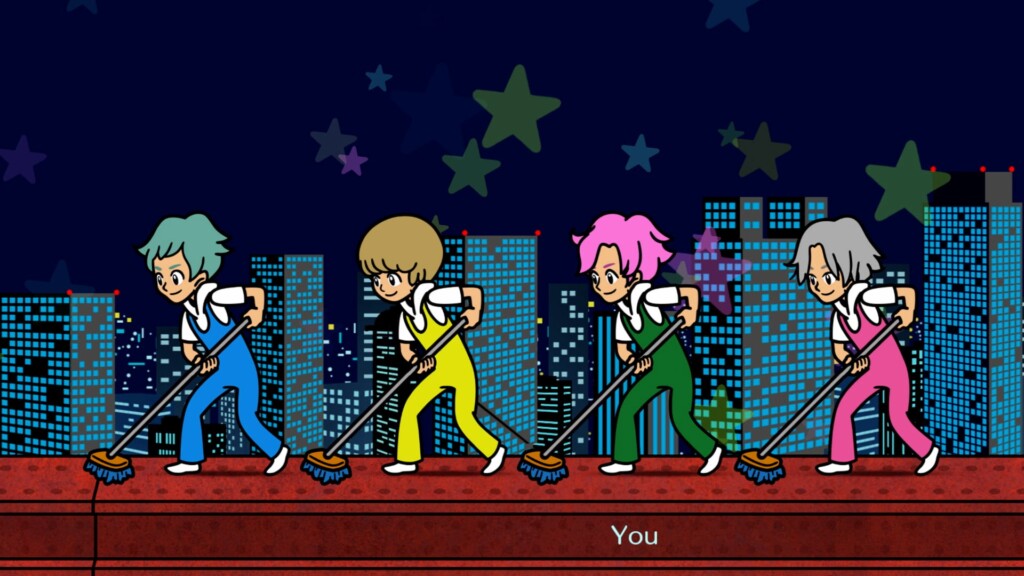
That can make the asking price seem difficult to justify. Superficially, Rhythm Heaven Groove resembles little more than a collection of bite-sized distractions. Spend an evening with it, however, and that illusion disappears. It’s a much more generous package than it looks at first, with more than 30 distinct minigames split, spliced, and remixed across 16 single-player stages. Additionally, a host of side diversions are available, the best of which is Beatspell, a light RPG mode that echoes StreetPass Quest, another 3DS oddity.
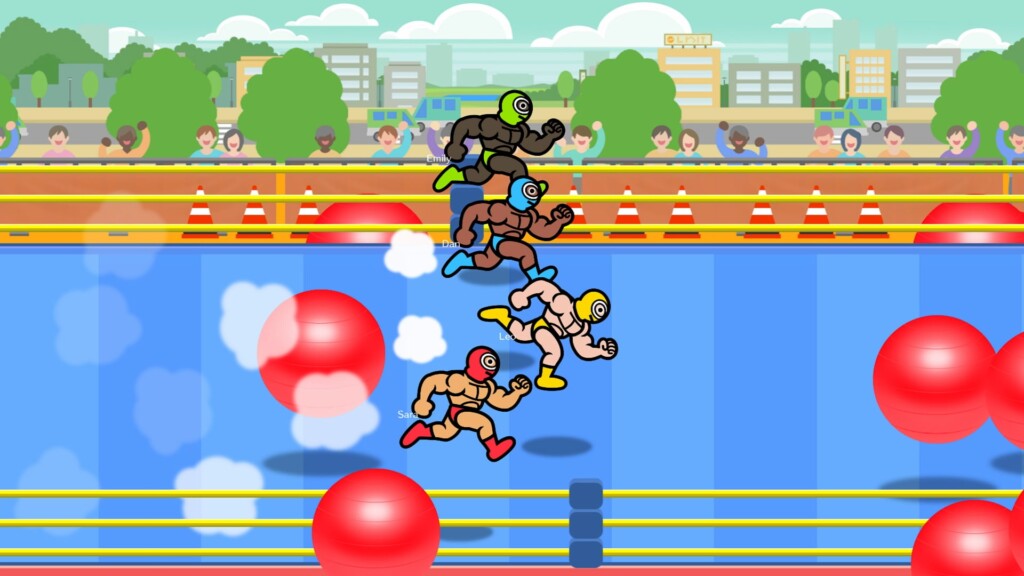
As I tend to do with this type of Nintendo game, I recruited my niece as a playtester, and quickly gained her approval. We found our – admittedly tense – groove in the game’s modest suite of multiplayer options, which range from a musical volleyball tournament and a co-op shmup to a cake-snatching contest and luchador race that almost ended in tears.
I don’t think anybody is pretending Rhythm Heaven Groove is a system seller. But it’s exactly the sort of game that enriches a console’s library without ever needing to headline it. It’s the kind of game that feels innocuous and inessential, right up until the moment you realise your thumbs are still twitching along to a tune lodged in your brain long after you’ve stopped playing.
If this really is the Nintendo Switch’s final first-party release, it brings the console’s life to a close with a game that couldn’t be further removed from The Legend of Zelda: Breath of the Wild, the title that introduced the system. If that game proved Nintendo could build one of the medium’s grandest adventures, Rhythm Heaven Groove reminds us why it never needed to compete on those terms in the first place. As a final curtain call for the system, it’s difficult to imagine a more appropriate send-off.

Game: Rhythm Heaven Groove (Rhythm Paradise Groove in PAL regions)
Platform: Nintendo Switch
Developer: Nintendo EPD, TNX
Publisher: Nintendo
Release Date: July 2, 2026