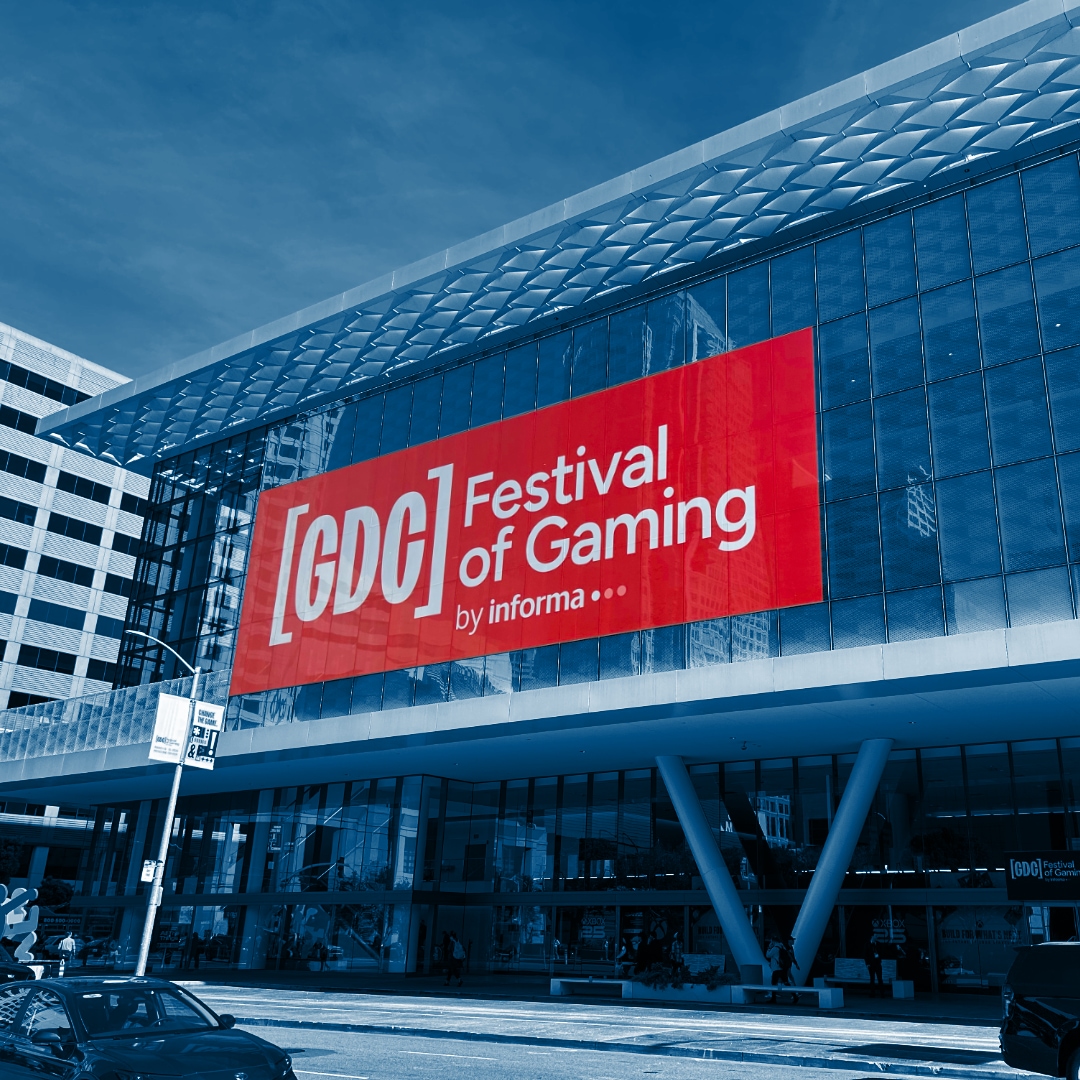




GDC Festival of Gaming introduces a new format for the industry’s biggest conference. But does the rebrand solve its biggest challenges?
On the final day last year’s Game Developers Conference, I spotted a banner on the Expo floor promoting the 2026 event, one that was meant to celebrate the conference’s 40th anniversary.
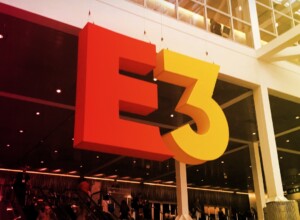
Since then, the event has undergone a top-to-bottom brand revamp and is now known as GDC Festival of Gaming. The 40th anniversary emphasis has not so much been dialled back as destroyed, a decision perhaps prompted by an accumulation of concerns that have surrounded GDC for some years.
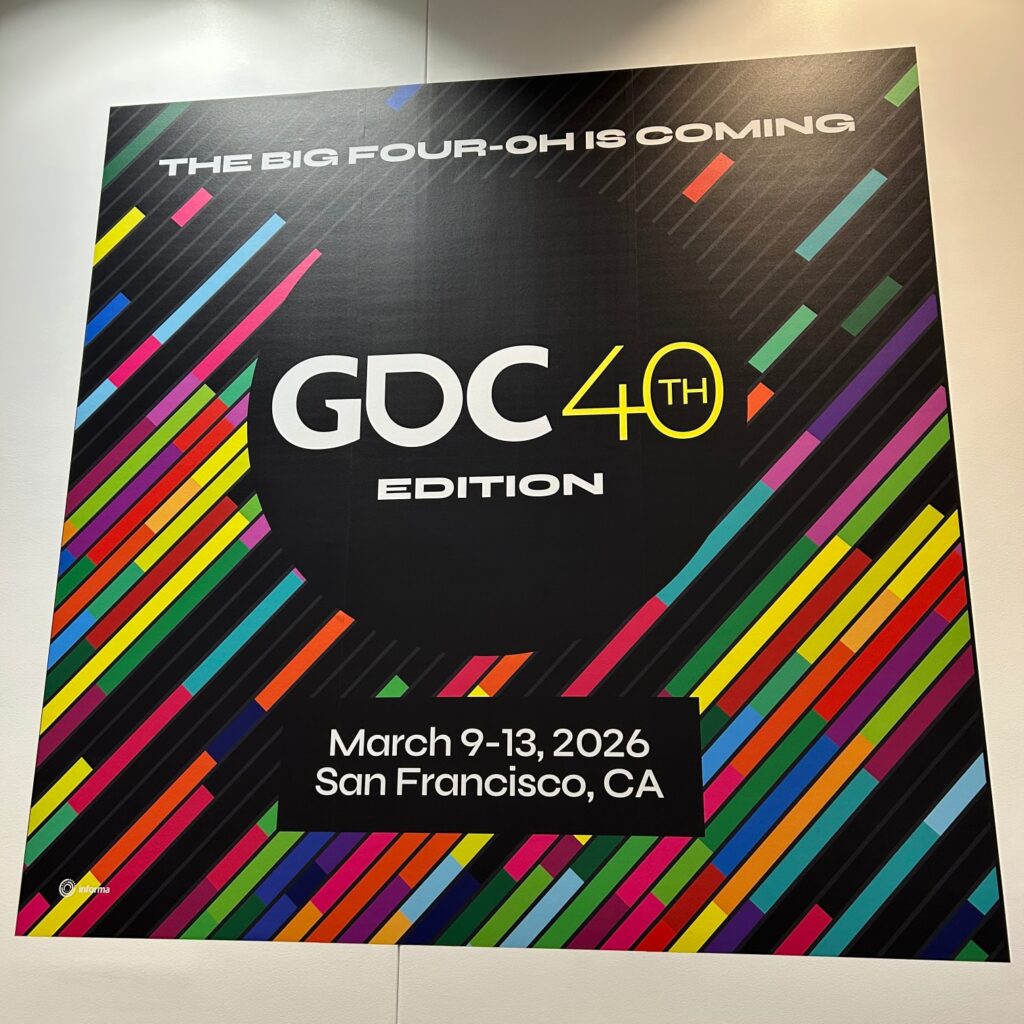
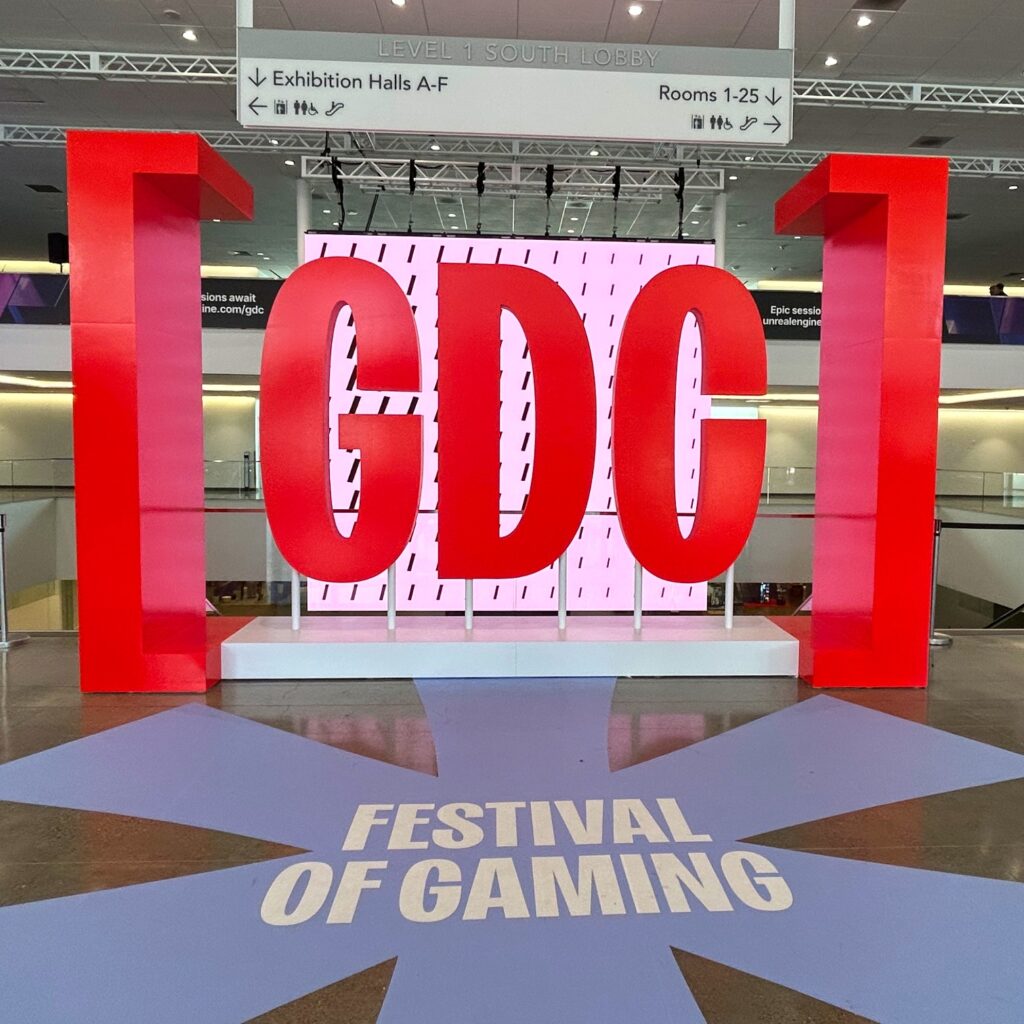
I wasn’t sure about the new name at first, but the rebrand is fresh and feels like a much-needed reset. Based on my experience, it’s a reset with some substance behind it.
Challenges
A rebrand cannot fix everything, however. San Francisco is still an expensive city. It’s expensive to get to and expensive to stay in. More pressingly, the current political climate in the US makes attending a non-negotiable risk for many prospective international attendees. This is not a good situation, and it’s a difficult pill to swallow.
I’m sympathetic to the suggestion that GDC should perhaps relocate somewhere more accessible. Toronto or London have been mooted, but they are hardly more affordable. I expect that long-term venue agreements with the Moscone Center and the industry’s concentration in the Bay Area make any move unlikely. The scale of the operation is also significant, meaning organiser Informa’s reluctance to move is understandable, even if it is frustrating.

Changes
What GDC’s organisers can control in the short term, however, appears to have been taken more seriously.
The previously complex pricing model has been simplified to standard and premium tiers, with discounted passes for indie studios and academics. The cheapest pass now covers the vast majority of what most attendees actually need, and the concessions feel like a meaningful shift toward the parts of the community most likely to be priced out.
It is worth noting that GDC Vault access has moved to the premium Game Changer tier, which is a notable trade-off for those who relied on it for remote or post-event learning. For those attending in person, however, it is a cleaner, more accessible proposition than before.
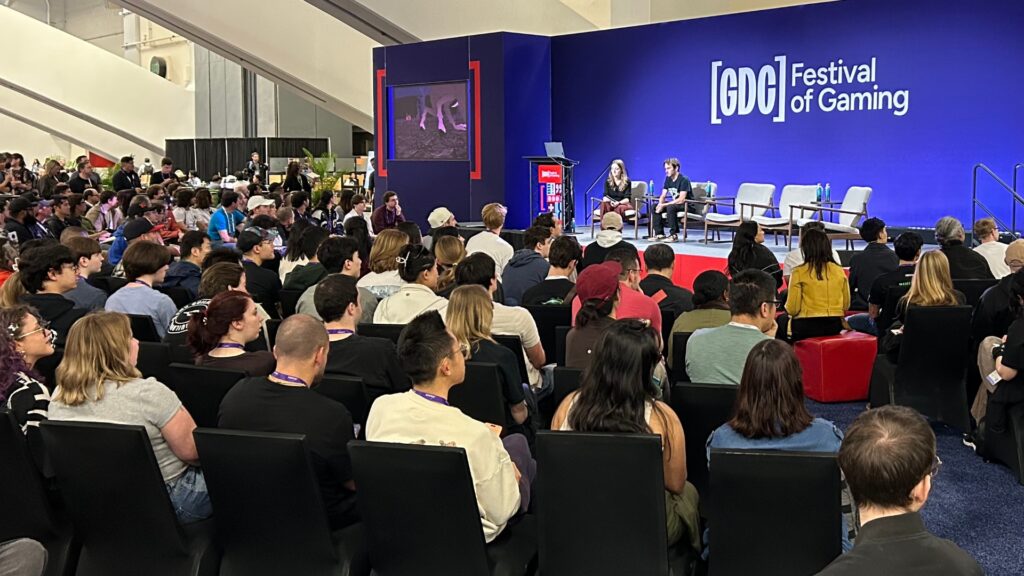
The impact is immediately noticeable. The West Hall, where the majority of panels and sessions take place, is the busiest I have seen it since the pandemic. Attendance is down overall, but you wouldn’t know it here.
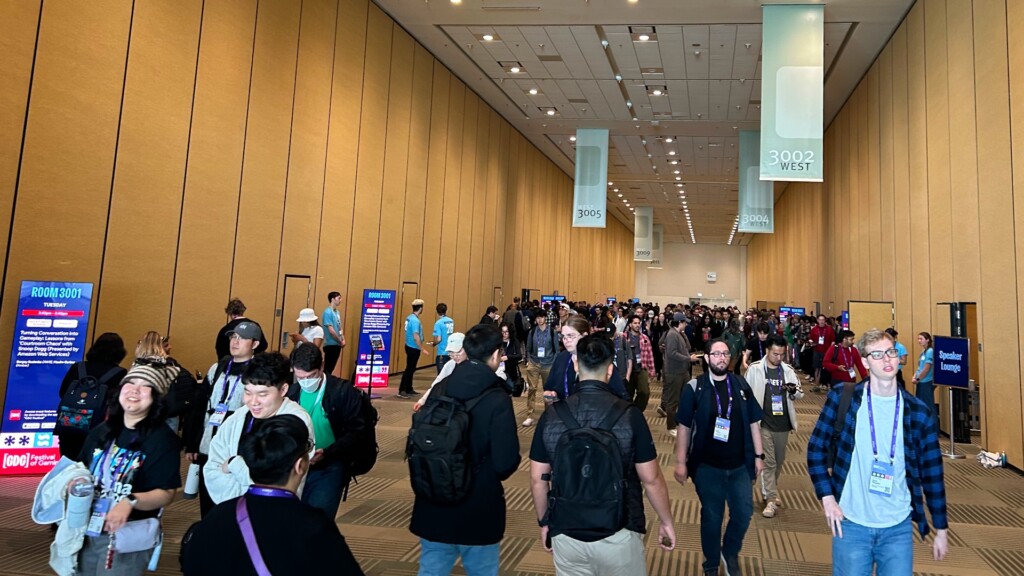
The influx of sponsored sessions that cluttered the schedule in recent years also seems tempered. What is here – including talks from Meta and Nvidia – is at least appropriate for the audience and appears well attended. The Web3 excess of previous years is largely absent, and for all the broader anxieties about AI’s influence on game development, the lines for AI-focused talks were among the longest of the week.
The conference has also spread beyond Moscone, with pop-ups and meetups throughout the surrounding area. An enhanced GDC Nights programme includes a kick-off event at Oracle Park and a prime-time evening spot for the Developer’s Concert. With the GDCA and IGF awards now spread across two evenings, something is happening post-show every day, and it works.
Commons
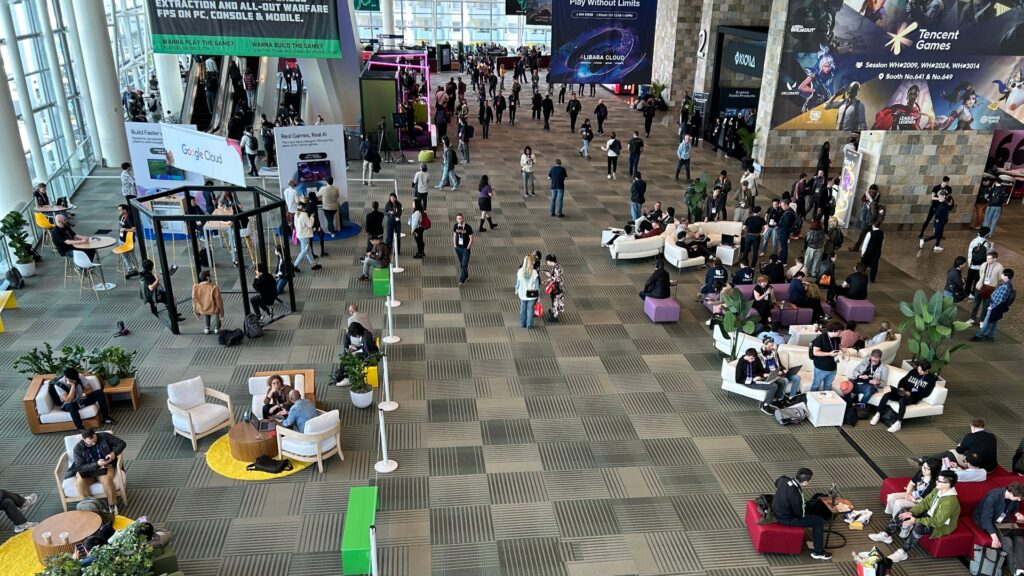
The revamped Expo, now called Festival Hall, is another sign of the shift in approach. As usual, there are booths held by international business delegations (hat tip to Wales Interactive), the obligatory mo-cap providers, and a range of industry vendors covering everything from monetisation and AI to payments and middleware.
However, the show floor footprint is significantly smaller compared to previous GDCs. According to Informa’s official numbers, over 300 exhibitors were present, although in practice it didn’t feel anywhere near the scale of seven or eight years ago.
But there’s an upside to all of this unused space. A new community Commons area has been established, and several smaller stages hosting talks and networking opportunities are peppered across the show floor. The long-running Day of the Devs, alt.ctrl.GDC, and IGF areas are now supplemented by a new GDC Indie Arcade, which hosts a rotating selection of independent developers showing their games. The overall layout is much more inclusive, giving attendees space to spread out, connect, and socialise beyond the formal session tracks.
Connections
Has the new format worked? Well, attendance is down, from around 30,000 in recent years to approximately 20,000 this year. The last time GDC drew numbers in this range was around 2011.
The reasons, I think, are multiple. The fact that many international delegates simply cannot attend safely is certainly one, as is the reduced exhibitor presence. Continuing anxieties around workforce stability and funding across the industry also make the cost far harder to justify than it was in, say, 2023, when the sector was coming off the tail end of a COVID-induced investment boom.
From my perspective, it appeared that larger companies – EA, Ubisoft, and Microsoft’s stable of studios – were here in noticeably fewer numbers. The overall decline is likely to be a concern for GDC’s bottom line.

The mood on the floor was positive nonetheless, and that’s because GDC still does what GDC does best: getting thousands of people in the same place for a week.
Much of GDC’s value lies in the so-called ‘hallway track’. These are the conversations that happen between sessions, in queues, over coffee, in the Commons and late into GDC Nights. No schedule quite captures it. No Vault recording can preserve it. It is the reason people travel across the world and spend more than they probably should.
As composer Austin Wintory observed at the Developer’s Concert, there is no other industry with a gathering quite like it. Programmers, composers, artists, actors, publishers, educators and students all come together to share knowledge and connect. It’s an event where you can learn about the techniques behind EA Sports FC 26‘s goalkeepers, meet a developer making a game about ice skating on Canadian lakes, get marketing advice from Derek Lieu, or share a hot chocolate with a game industry legend. The memories people leave with are not of the $20 hot dogs – although that does sting. They are of new connections, new ideas, new opportunities, and new friendships.
GDC may still have problems to solve, but there is a magic in what happens here, and it would be a significant loss for the industry if it disappeared. GDC Festival of Gaming felt like a course correction, and from a format and programme perspective, a successful one. To my surprise, it did have some of that festival energy, so maybe the new name can now be considered earned rather than applied.
Community
GDC is also a reminder. It’s the flagship event but it should never be the only place to look for new connections, guidance, or mentorship. Smaller, regional events and other internationally focused conferences such as MIGS and Gamescom Dev offer something just as valuable, albeit on a different scale. Last year’s MIGS was an excellent example of an event that managed to bind an entire community together. All of these conferences deserve their place and deserve to grow. The industry and its community are better served when they have more options throughout the year, not just one week in San Francisco.
So if there is one takeaway from this year’s GDC, it’s to get out and meet your peers, wherever they are.
Read more reports from GDC Festival of Gaming and take a look back at the career of Don Daglow.