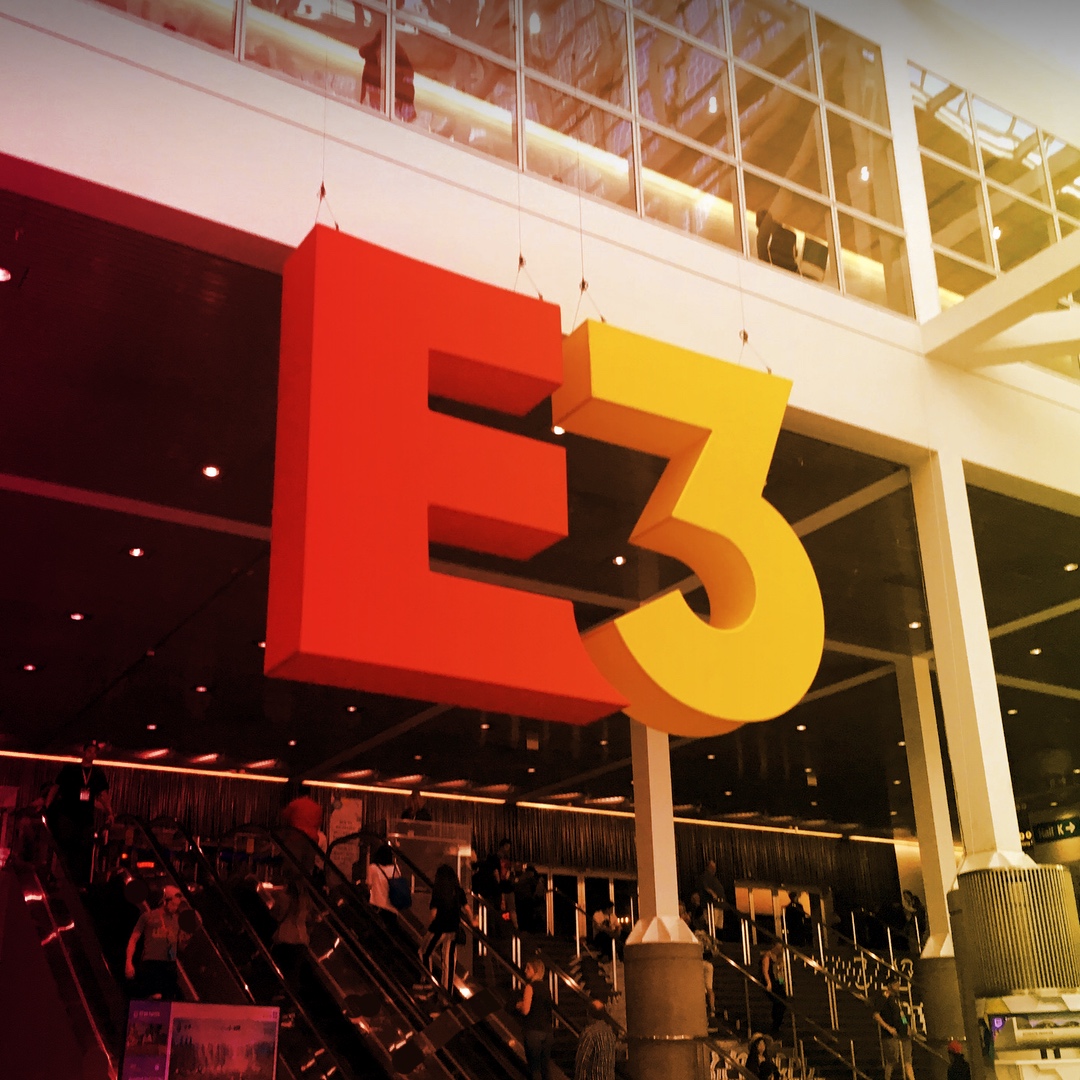




Despite its flaws, nothing has come close to capturing the chaotic magic of E3.
There was a time when the words “press conference”, “hands-on demo”, and “surprise reveal” all meant one thing: E3. It was the event. And as someone fortunate enough to attend six times – and who followed closely when I couldn’t – I think that E3, at its best, was the greatest video game show there has ever been.
E3 wasn’t perfect. It was exhausting, occasionally badly organised, and often overwhelming. But it had a special magic. A scale and significance that made it feel bigger than any publisher, platform holder, or its organising body. It was the closest thing the games industry had to a true festival, complete with extravagant booths, endless queues, and a buzz that spilled out into the hotels and bars surrounding the LA Convention Center. At its peak, there was nothing like it.
Gamescom is probably the closest comparison, but in many ways it proves the point. It’s enormous, impressive, and packed with people, yet its sheer scale is too much. E3 was huge too, but it had edges.
If you covered games, the annual trip to Los Angeles felt like a pilgrimage. Once a year, the entire industry converged on one place to celebrate what we loved, argue about what we didn’t, and catch a glimpse of the future. Publishers, developers, journalists, creators, analysts, and fans were all focused on the same event at the same time. Whether you were IGN, a publisher, a developer, or a modest outlet like Thumbsticks, you had a place. It felt like everyone was there. And if they weren’t, they were certainly watching. The Entertainment Software Association (ESA) was a troubling steward, but E3 was bigger than the organisation that ran it.

What made E3 special wasn’t just the announcements. The press conferences were technically adjacent to E3, after all. It was the collective experience of being there that mattered.
You could feel the frisson before the show floor opened each morning. You’d sprint between appointments, trying to squeeze one more demo into an already impossible schedule. You’d emerge from a presentation desperate to file your impressions before racing off to the next. Sometimes you’d spend hours trying to talk your way into a meeting you weren’t invited to. I fondly recall the lengths we went to in order to see Square Enix’s miserable Avengers game.
There was electricity that came from being in the same physical space. You could bump into an old friend on the show floor, grab a coffee with a journalist you’d met in a queue, or catch a glimpse of someone who made your favourite game. It wasn’t just access to content. It was access to context and people.
Even watching from a distance, following the beat of your outlet of choice was always part of the fun. There was a communal rhythm to the week that made it feel like the world had stopped to pay attention.
The reasons for E3’s demise are well documented. Some are saddening, others maddening, but the impact of the pandemic, a changing media landscape, and fumbled attempts at public access all took their toll.

Enter Summer Game Fest.
Summer Game Fest has become increasingly important and successful, but it still doesn’t feel like E3’s successor. It’s not a true festival of games, despite the name. And for me at least, it has never quite shaken the feeling of being an opportunistic land-grab.
I should say that I don’t doubt Geoff Keighley’s passion for games for one moment. His enthusiasm is genuine, and he’s done more than most to keep the medium in the spotlight. But his carefully structured format – whether it’s SGF, Gamescom Opening Night Live, or The Game Awards – doesn’t deliver the spontaneity and sense of discovery that E3 did. These are ad-driven productions, with access carefully gated. Watching remotely, it’s like comparing coverage of Glastonbury to a series of polished music videos.
There are also plenty of excellent ancillary reveal streams happening alongside SGF – both officially and unofficially – but the atmosphere is lost without a shared physical space and daily structure to anchor it.

Amid all the chaos, E3 had a genuine festival vibe. There was an organic, celebratory energy, even among the tired eyes, sweaty bodies, long queues, and looming deadlines. It was a place where you’d book an appointment to see Batman: Arkham Asylum but come away raving about Scribblenauts.
As Summer Game Fest continues to expand, the associated Play Days event is perhaps the closest thing we’ve seen to recreating some of that atmosphere. It’s much smaller and less visible than E3, but a broader ecosystem of previews, demos, and industry meetings has started to grow around it — and it could yet become something bigger than one person with a promotional rate card for every season.
Until then, I’ll keep missing E3 – not just for the reveals, but for the rhythm, the camaraderie, and the memories that only happen when the entire industry shows up.