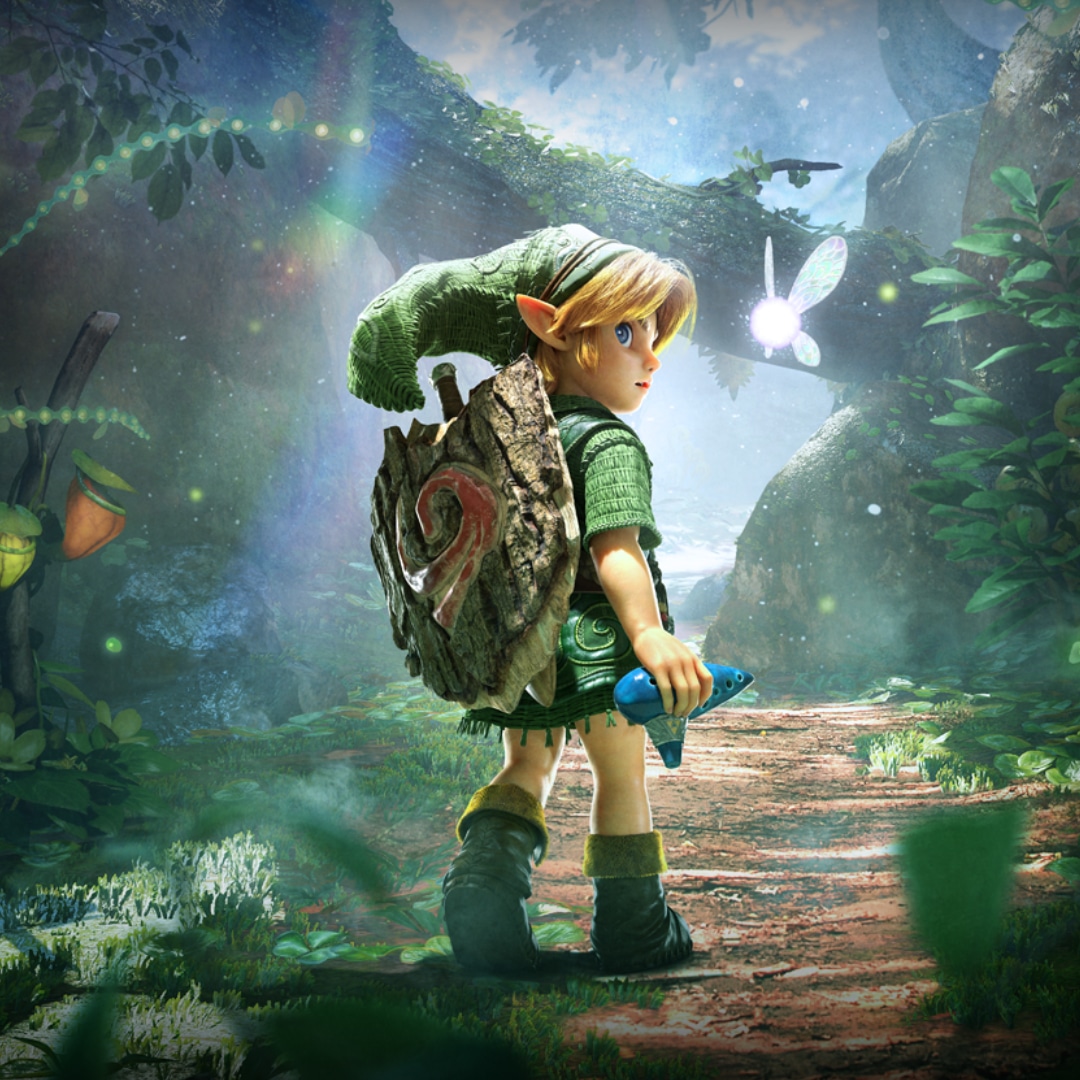




As The Legend of Zelda: Ocarina of Time gets rebuilt for Nintendo Switch 2, we revisit 10 video game remakes that got the job right.
There’s a song I love on Roxy Music’s 1972 debut album called “Remake/Remodel” that features Bryan Ferry gleefully announcing that the whole band was built from other people’s spare parts. It’s a collage of borrowed sounds and styles, and it is all the prouder for it.
Then there’s another track I’m fond of, The Smiths’ “Paint a Vulgar Picture,” from Strangeways, Here We Come fifteen years later. Here, Morrissey is at his most cynical, grumbling about the record industry’s habit of digging up a dead artist’s back catalogue every few years for one more repackaged or remastered sale.
Both songs come to mind whenever a publisher announces it’s remaking a game I love, because every remake seems to sit somewhere on the line between them. Is it a barebones reissue, banking on nostalgia to sell you the same experience with a bump in resolution? Or is it a Roxy Music-like act of celebration and reassembly?
And that’s the challenge. The debate over whether something is a remake, remaster, reimagining, revival, or something nebulous in between is almost impossible to resolve. In music, a remaster is a very specific thing. Games are less straightforward. An old title can be rebuilt from the ground up, lovingly polished, substantially updated, or simply dragged out of hardware purgatory and given a new lease of life. Sometimes the difference is obvious. Sometimes it’s just a matter of what the marketing team decides to label it.
A remake can introduce a classic to an entirely new audience. It can keep a game relevant long after its original release. And, of course, it can also be a very effective way of selling you something you already own.
Which brings us to the upcoming Nintendo Switch 2 version of The Legend of Zelda: Ocarina of Time.
Nintendo has perfected a particular approach to bringing back its old games. Often, the opportunity is not to reinvent the original but to visually update it, make subtle improvements, and put it in front of another generation of players. The core experience remains intact, but the rough edges are sanded away and a little extra sheen is applied. And based on what we’ve seen so far, the Ocarina of Time remake is following a familiar path.
By most measures, The Legend of Zelda: Ocarina of Time is one of the most significant video games ever made. It isn’t just one of the greatest games of its generation; it established a template for 3D games that countless titles have followed ever since.
The remake’s visual overhaul is sumptuous, but it doesn’t abandon the original’s structure or spirit. Like the recent Star Fox remake, it’s an opportunity to give the game’s defining ideas a modern home. Some will no doubt be disappointed by this approach, but Nintendo’s ethos is clearly that, as far as the fundamentals are concerned, the core text is the core text.
So, while we wait for Link to wake from his slumber, here’s a roundup of 10 of the best remakes, remodels, remasters, reimaginings, and revivals in video game history. This is not a ranking, and it’s not exhaustive. What matters is what these games did with what they inherited and whether, like Roxy Music, they found something new in old parts.
10 brilliant video game remakes
Super Mario All-Stars (1993)
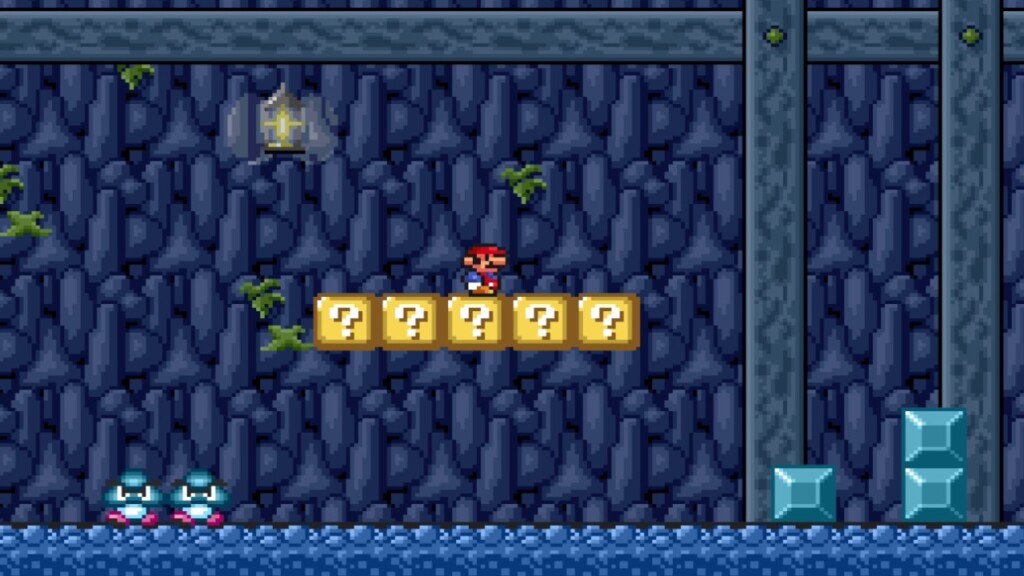
The blueprint, really. It was the first Super Mario game I bought – from Blockbuster Video in Holloway Road, no less – and it’s the remake that taught a generation of players that a glow-up could make you fall in love with a game a second time.
Redrawing Super Mario Bros., The Lost Levels, Super Mario Bros. 2, and Super Mario Bros. 3 with SNES-era sprite work and sound set the template for the “definitive edition” thinking that the entire industry still draws on. Purists might argue that the subtle changes to Mario’s movement and momentum are an affront to the originals. Still, the shift is easy enough to acclimatise to and doesn’t detract from the experience.
Super Mario All-Stars is a collection rather than a single remake, so including it here is a slight cheat, but there’s no denying its impact and influence.
Available on Nintendo Classics: SNES
Metroid: Zero Mission (2004)
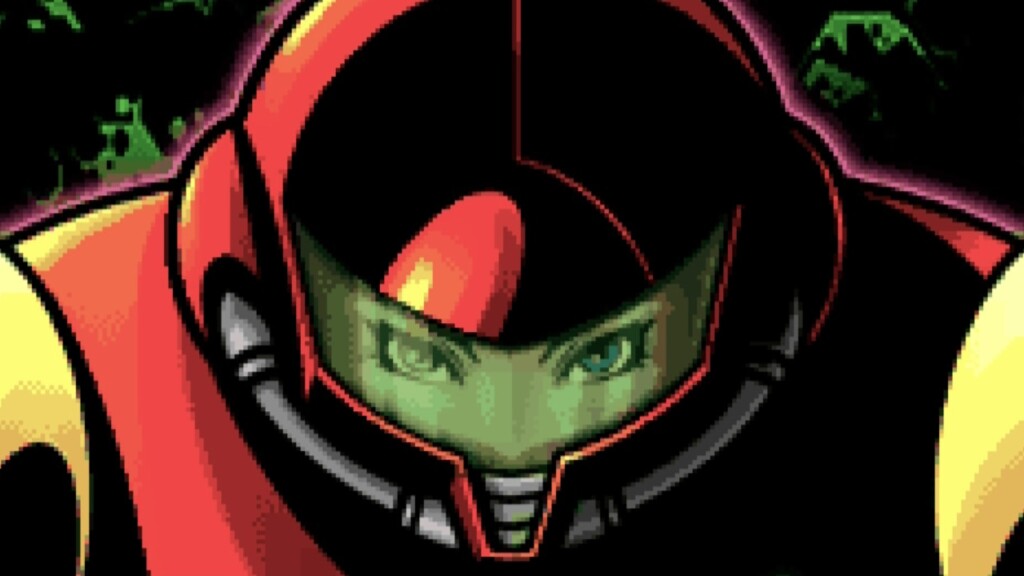
This GBA remake of the original 1986 NES Metroid removes almost every barrier to enjoying the source material. It has better map design, a more generous pace, responsive controls, and a more tangible, alien atmosphere.
It also adds an entirely new final act with a stealth-tinged detour through a Space Pirate mothership that expands on Samus’s story without ever feeling bolted on. MercurySteam would perform a similar trick with Metroid: Samus Returns on Nintendo 3DS, but Metroid: Zero Mission remains the more complete remake.
Available on Nintendo Classics: GBA
Pokémon Let’s Go, Pikachu! and Let’s Go, Eevee! (2018)
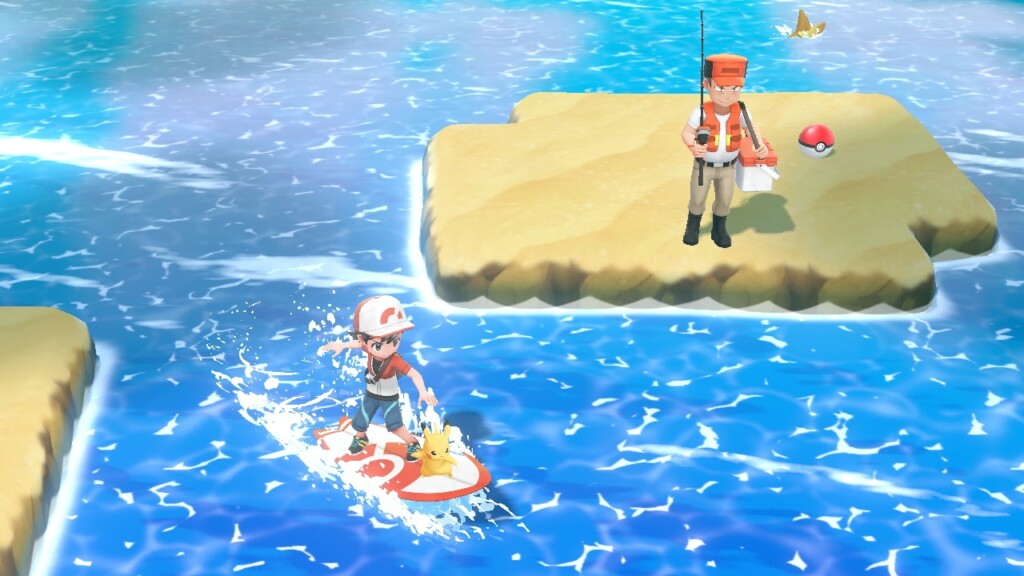
Pokémon Let’s Go is maybe a strange fit on this list. It’s definitely more of a reimagining than a remake, since the catching loop is lifted wholesale from Pokémon GO rather than the original Red and Blue. However, seeing Kanto rebuilt with visible overworld Pokémon is a delight, and the streamlined, motion-controlled capture system plays into the unique capabilities of its host platform, just as the original did with the Game Boy.
The beauty of those changes is that they transform a game I’d played multiple times before – one that had already been remade once – into something that feels entirely fresh. Let’s Go shows that a remake doesn’t have to be beholden to its source material to honour it.
Available on Nintendo Switch
Shadow of the Colossus (2018)
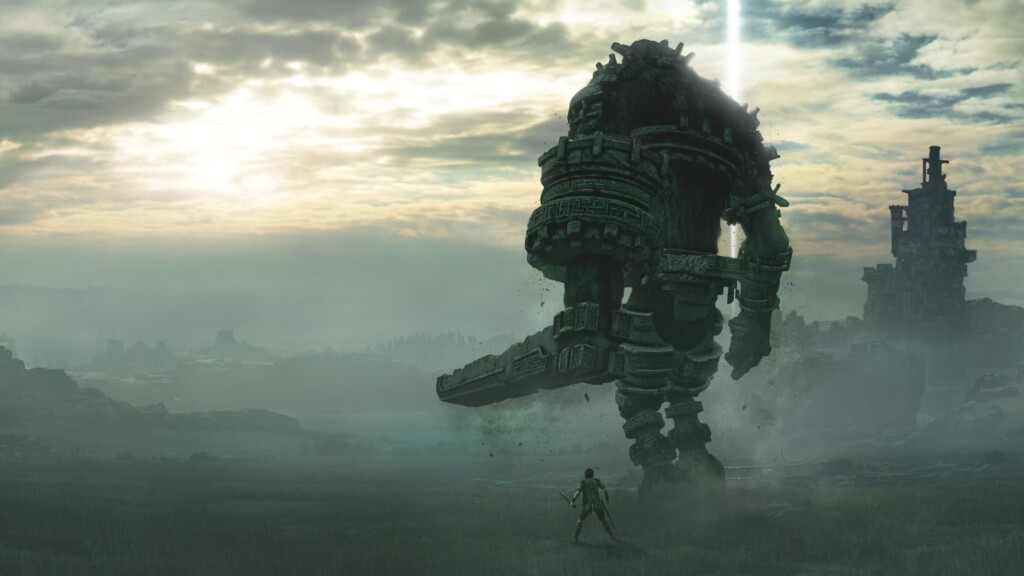
For this PlayStation 4 remake, Bluepoint rebuilt every asset of a game that was already considered an art-house landmark. Fans still debate the merits of the end result, with some arguing that the original’s atmosphere was lost in the process. For me, the colossi themselves are the real triumph. The sixteen towering, mournful creatures are rendered with a level of texture and detail that makes climbing them feel genuinely dangerous, and slaying them a genuinely uneasy, if thrilling, experience.
This remake proves you can rebuild something completely and still preserve its soul.
Available on PlayStation 4
Resident Evil 2 (2019)
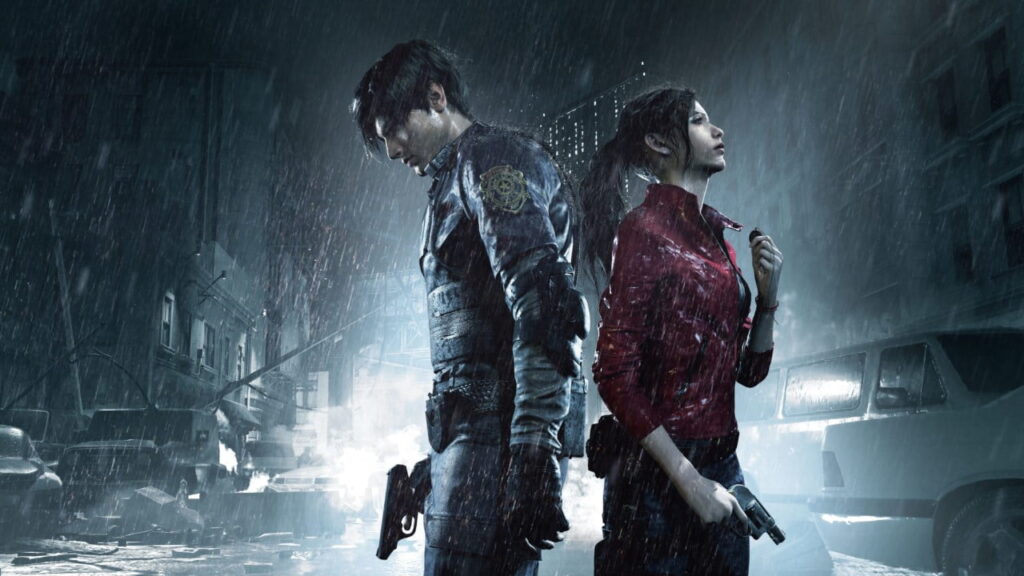
Capcom didn’t just reskin a survival-horror classic with Resident Evil 2. It completely shifted the perspective, replacing the traditional fixed camera angles with an over-the-shoulder view that turns every encounter into something much more intimate and unpleasant. And then there’s Mr. X. Hulking, seemingly unkillable, and stalking the player through the back half of the game, he turns the police station into a sustained panic attack. Seven years after its release, it’s probably still the game that other survival-horror remakes are measured against.
Available on PC, PlayStation, Xbox and Nintendo Switch 2 from October 2026
The Legend of Zelda: Link’s Awakening (2019)
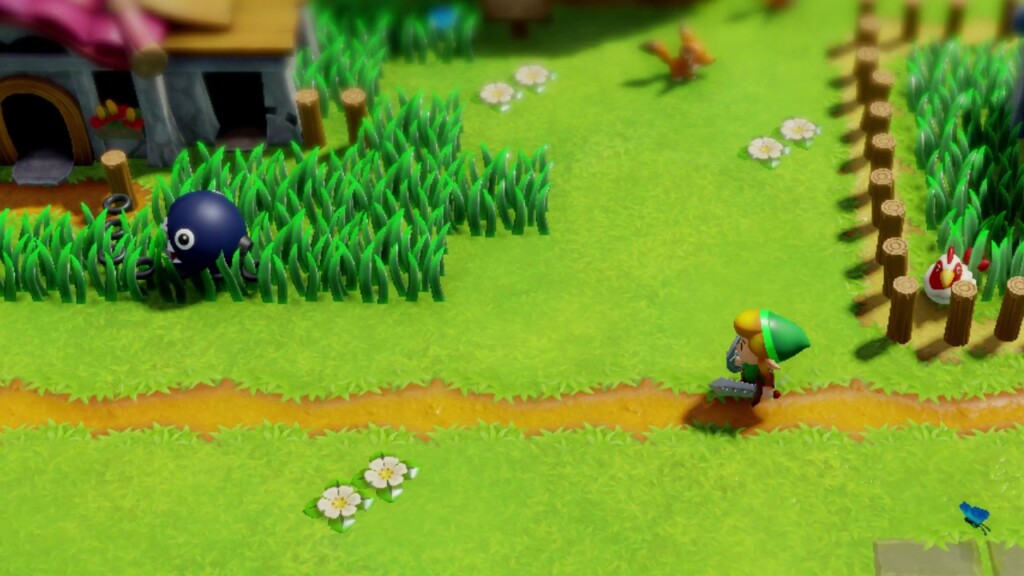
The classic Game Boy game is reborn as one of the prettiest things Nintendo ever shipped on Switch. It’s a small remake in scope, with the dungeons, puzzles, and overworld untouched from 1993, but the visual and audio reinvention makes Koholint Island worth another trip.
It’s another faithful Nintendo recreation, then, but presenting the game as a miniature diorama gives it a tangible, almost toyetic quality while retaining the original’s charm. The original Switch release has some frame rate issues, but a free Switch 2 update adds performance improvements and HDR support.
Available on Nintendo Switch
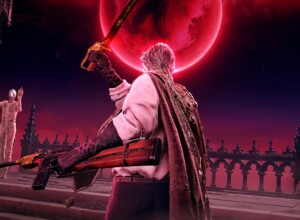
Demon’s Souls (2020)
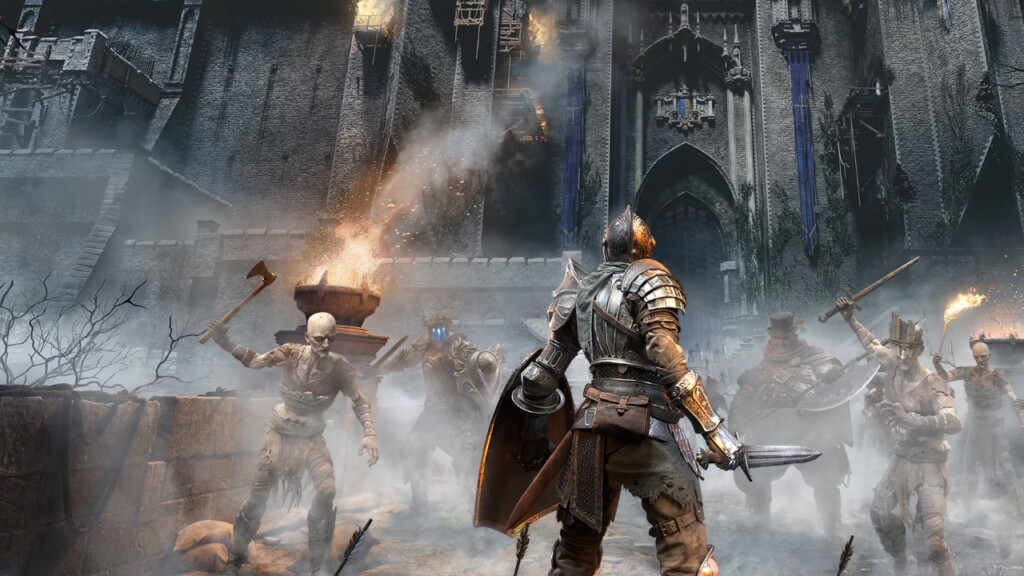
Bluepoint’s PlayStation 5 launch showpiece is arguably the most visually extravagant remake on this list. Every environment is rebuilt with a density of detail the PlayStation 3 original could never have dreamed of. What’s more impressive, though, is what the studio chose to leave alone. The punishing World Tendency system, brutal boss encounters, and the sense that Boletaria wants you dead at every turn all remain intact. It made a notoriously unforgiving game feel inviting to newcomers – and early hardware adopters – without dumbing down the experience for veterans.
Available on PlayStation 5
Final Fantasy VII Remake Trilogy (2020-2027)
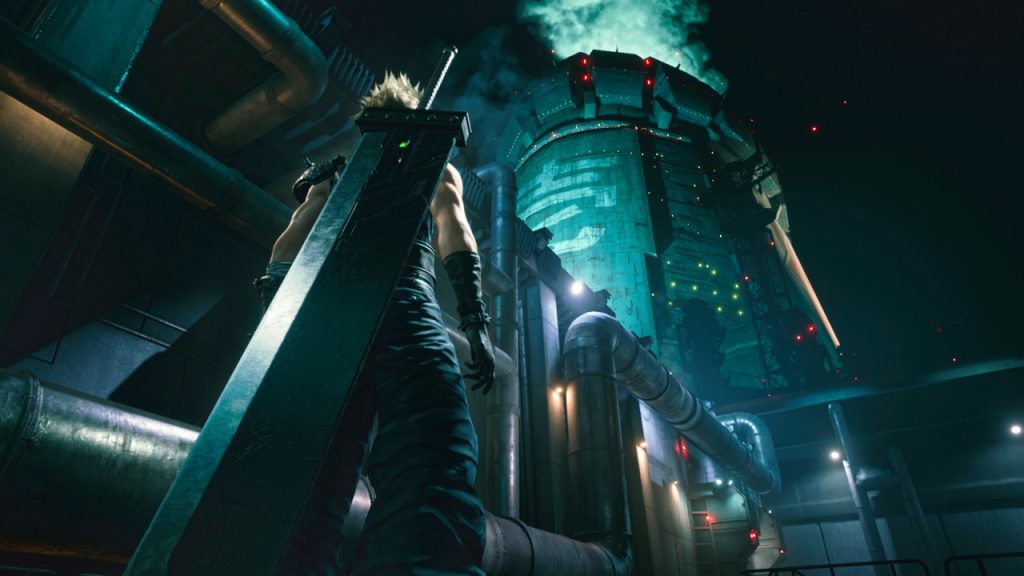
Confession: I haven’t played this one. But for the sheer scope and audacity of turning one game into an entire trilogy, it deserves its place. Depending on who you ask, the reinterpretation of Midgar alone justified the gamble. My Final Fantasy experts also tell me that the combat system, blending real-time action with the original’s ATB strategy, is the best argument yet for why these remakes needed to be more than a lick of paint.
Perhaps the most remarkable thing about the project is that it doesn’t diminish the original. Remake and Rebirth (and Revelation coming soon) give it a companion piece that stands on its own while remaining in conversation with its source material.
Available on PC, PlayStation, Nintendo Switch 2, and Xbox
Mafia: Definitive Edition (2020)
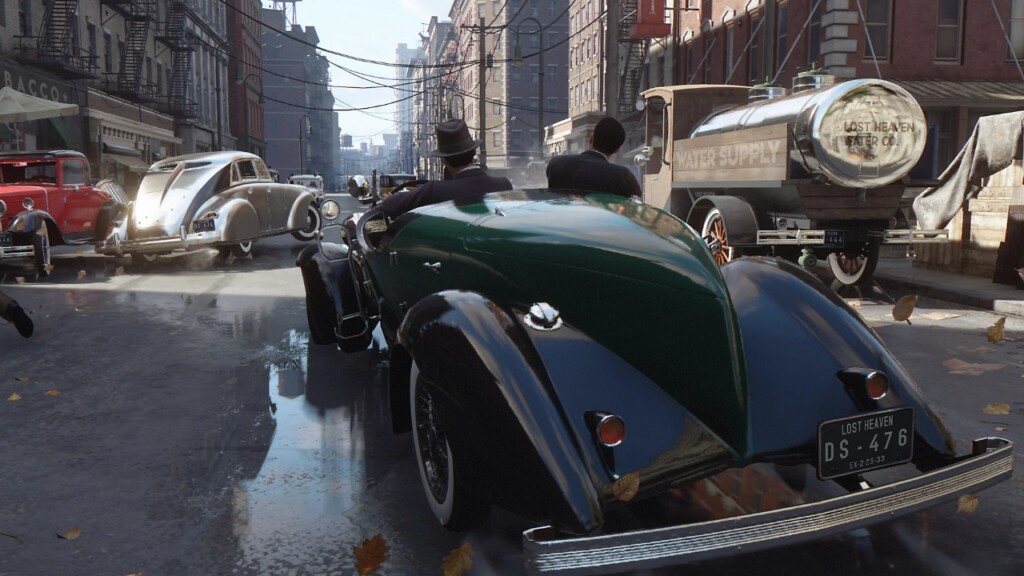
The original Mafia was an open-world game where the story always took precedence over the map, and that made it a good candidate for a remake. Hangar 13 took the opportunity to rebuild almost everything from the ground up, with a new script, new voice cast, new engine, and a completely rebuilt version of Lost Heaven. The game is far more confident in its storytelling, with outstanding direction and performances bringing genuine emotion and drama.
The mission structure was reworked, too, smoothing over some of the original’s more punishing difficulty spikes. This edition understands what made Mafia special in the first place, while giving its story, characters, and world the treatment they always deserved.
Available on PC, PlayStation, and Xbox
Dead Space (2023)
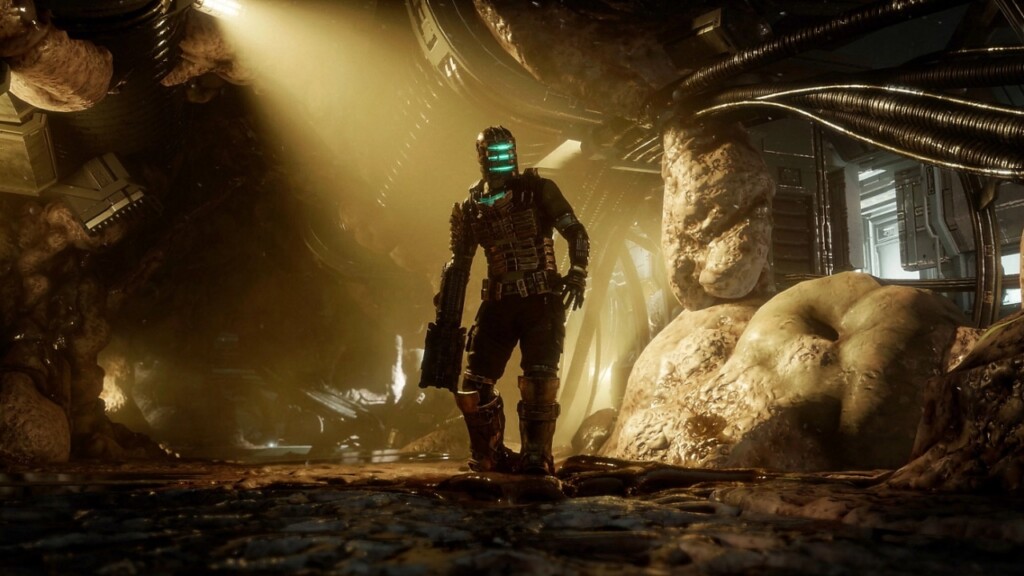
Motive’s remake sees the studio improving the pacing, sound design, and body-horror set pieces of a game that was already a masterclass in all three.
The seamless camera, with no cuts or loading screens, makes the whole of the USG Ishimura explorable as one continuous space. And the new Peeling mechanic for necromorph limbs is exactly the kind of gross, tactile detail a remake should be adding. The result is an experience that somehow feels even more oppressive than it did in 2008.
Available on PC, PlayStation, and Xbox
Honourable mentions
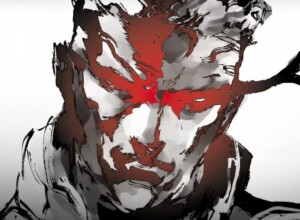
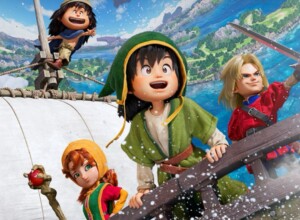
Naturally, a few fantastic remakes didn’t make the top ten. Those jostling for entry included Dragon Quest I & II HD-2D Remake, Gears of War: Reloaded, The Legend of Zelda: The Wind Waker HD, Metal Gear Solid Delta: Snake Eater, Star Fox, and Yakuza Kiwami.